

A Complete Guide to Installing Outdoor Outlets for Patio Season
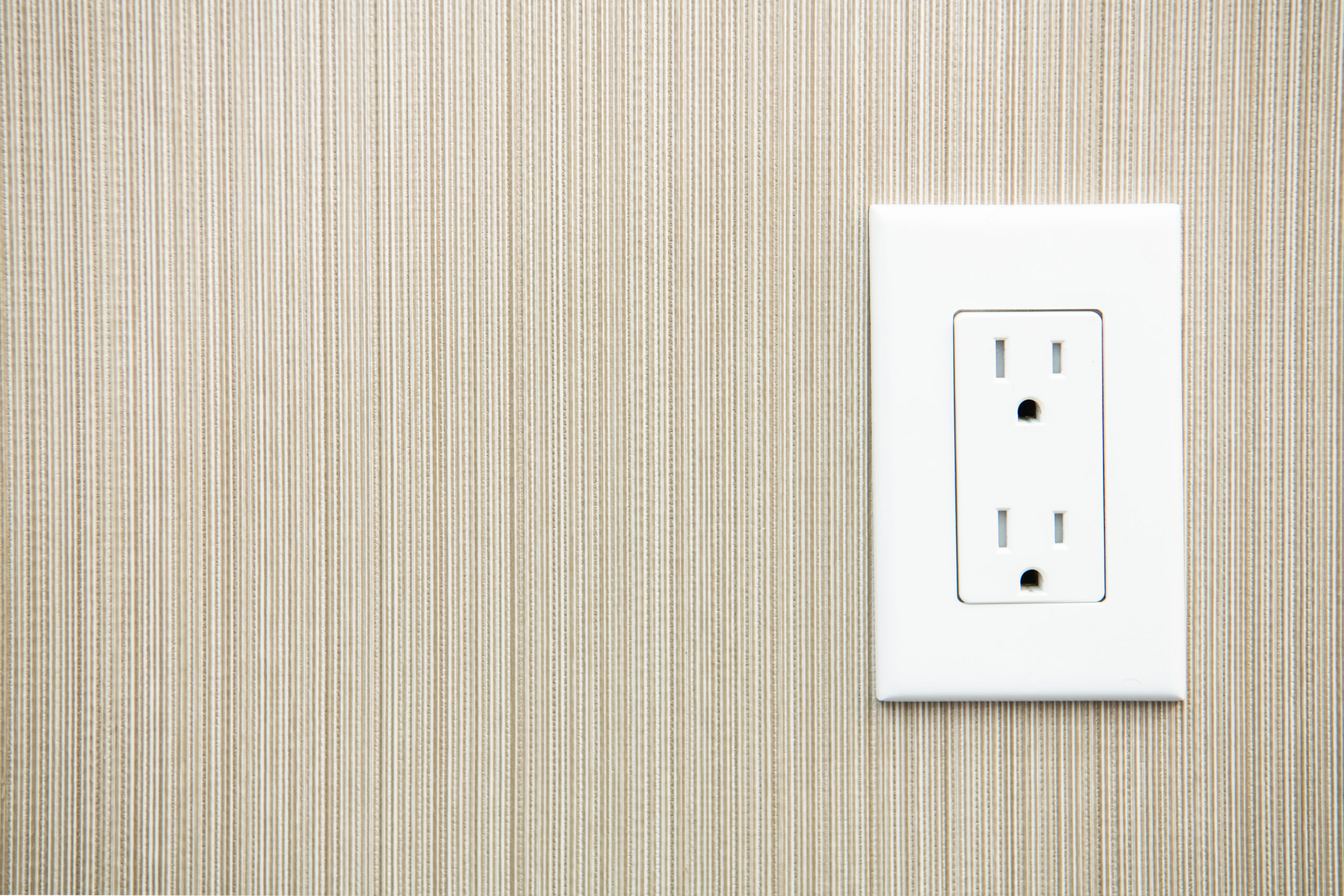
Patio season in Central Florida means more time spent grilling, entertaining, and relaxing outside. The right outdoor outlets make all of this easier, powering string lights, speakers, fans, and small appliances without running extension cords from the garage. Installing outdoor outlets is not a simple plug-and-play project; it requires weatherproof components, proper grounding, and code-compliant wiring. Homeowners across Clermont rely on professional electricians to handle this work safely and to current National Electrical Code standards. This guide walks through everything you need to know about installing outdoor outlets before patio season hits its peak. From location planning to GFCI protection, every detail matters when electricity meets the outdoors. If you want a safe and reliable setup, professional installation is the smart starting point.
What You Need to Know Before Installing Outdoor Outlets
Before any wires get run, planning is the most important part of installing outdoor outlets. You need to think about where the outlets will go, how many you actually need, and what they will power. Florida weather adds another layer of complexity, with heavy rain, humidity, and lightning all factoring into the design. Building codes require specific protections for outdoor receptacles, including GFCI protection and weather-resistant rated devices. A licensed electrician will also evaluate your panel capacity to make sure adding new circuits will not overload your system. Skipping these steps leads to tripped breakers, damaged devices, and potential safety hazards. Good planning saves money and prevents headaches later.
Choosing the Right Locations for Outdoor Outlets
Location is the foundation of a smart outdoor outlet plan. Think about how you actually use your patio, porch, and yard during spring and summer evenings. Common spots include near the grill, by seating areas, along the back of the house for holiday and string lighting, and close to pool decks or hot tub areas. Each outlet should be placed where it reduces the need for extension cords, which are a major cause of outdoor electrical accidents. Mounting height also matters; outlets are typically installed between 12 and 18 inches above the finished grade or deck surface. If you have a covered lanai, outlets can be placed higher and closer to ceiling fans or lighting fixtures.
You also want to consider future projects when choosing locations for outdoor outlets. Installing outlets near where a future hot tub, pool pump, or outdoor kitchen might go saves money down the road. Running conduit and wiring during the initial installation is far cheaper than adding it later. Electricians often recommend placing outlets on multiple sides of the home for flexibility, especially for larger lots in Clermont, Groveland, and Minneola. Adding outlets near garden beds also helps with landscape lighting and seasonal decorations. The goal is to give every outdoor activity its own power source within easy reach.
Trees, landscaping, and irrigation systems also influence outlet placement. You do not want outlets installed where sprinklers will spray them directly, even with weatherproof covers. Tree roots and shrubs can interfere with underground conduit runs, so the path of the wire matters too. A professional electrician will walk the property and map out the safest and most useful spots. They will also check for buried utility lines before any digging starts. Want professional help planning your outdoor outlet layout? Click here for our outlet installation service.
Understanding GFCI Protection for Outdoor Outlets
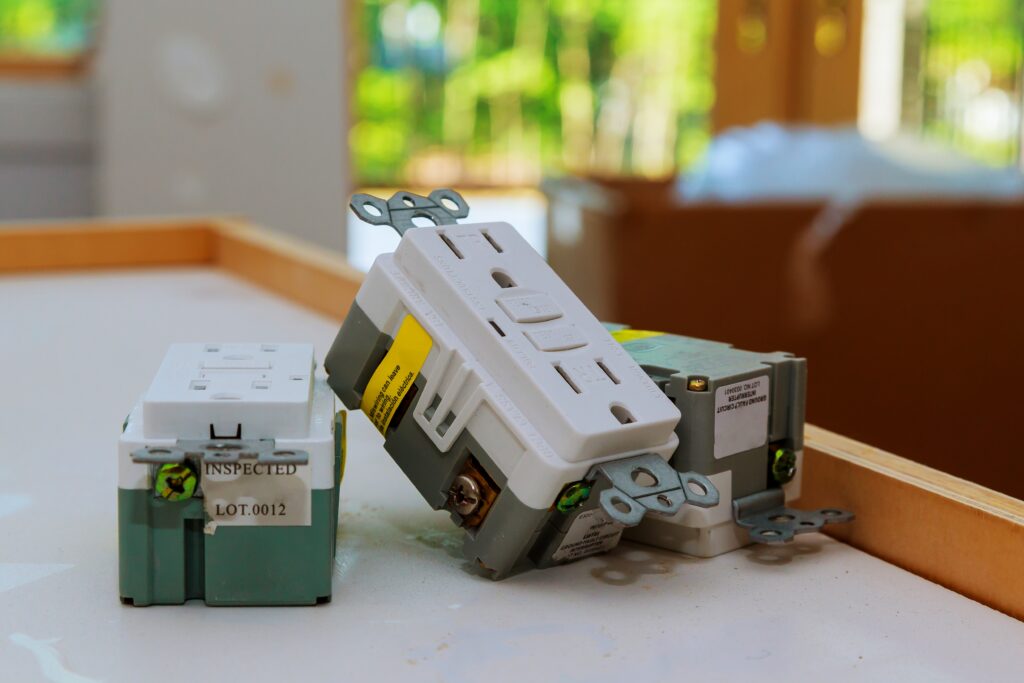
GFCI stands for ground-fault circuit interrupter, and every outdoor outlet in Florida is required to have it. A GFCI device monitors the flow of electricity and shuts off power within milliseconds if it detects a ground fault. This is the same technology used in bathrooms and kitchens, and it prevents serious shock injuries when water and electricity meet. Outdoor environments are full of moisture, rain, and humidity, making GFCI protection non-negotiable. The protection can come from a GFCI receptacle at the outlet itself or from a GFCI breaker at the electrical panel. Both methods meet code, though each has its own benefits.
GFCI receptacles installed at the outlet are easy to reset right where you are using them. If you trip a breaker while plugging in a pressure washer or holiday lights, you can press the reset button without walking back to the panel. GFCI breakers protect the entire circuit from the source, which can be more convenient if you have multiple outdoor outlets on one run. Your electrician will recommend the best option based on your panel, circuit layout, and the number of outdoor outlets being installed. Either way, the protection must be tested monthly to make sure it still works correctly. A failed GFCI is a serious safety risk that needs immediate replacement.
Weather-resistant rated receptacles are also required for outdoor installations under current code. These devices are built with corrosion-resistant materials and sealed to handle exposure to moisture and temperature swings. They are marked with a “WR” symbol on the face of the outlet. Standard indoor receptacles will fail quickly when exposed to Florida humidity and rain. Pairing WR-rated devices with in-use weatherproof covers gives you the best protection. In-use covers protect the outlet even when a plug is inserted, which is critical for permanent outdoor setups like landscape lighting or pond pumps.
Weatherproof Covers and Boxes for Outdoor Outlets
Weatherproof covers are one of the most important components of an outdoor outlet installation. There are two main types: standard flip covers and in-use bubble covers. Standard flip covers only protect the outlet when nothing is plugged in, which limits their usefulness for permanent installations. In-use covers, sometimes called extra-duty covers, stay closed and watertight even when cords are plugged into the receptacle. Current code requires in-use covers for outlets in wet locations, including most outdoor installations. These covers are made from heavy-duty plastic or metal and are sealed against rain, sprinklers, and direct exposure.
The outlet box behind the cover also has to be rated for outdoor use. Indoor electrical boxes are not designed to handle moisture and will corrode quickly when exposed to the elements. Outdoor boxes are typically made from cast aluminum, PVC, or fiberglass, and they include sealed gaskets where the cover attaches. The box must also be properly sealed at the wall penetration to prevent water from getting behind the siding or stucco. Caulking and weatherproof mounting plates are part of a quality installation. Florida’s heavy rain and hurricane season make these details critical for long-term performance.
Choosing the right color and style of cover is the easy part. Most homeowners pick clear or matching tones to blend in with the siding or trim. Function still comes before form, though, so the cover must be the right size for the outlet and the typical plugs being used. A small cover that does not fully close around a plug defeats the purpose. Professional electricians stock a range of weatherproof covers and choose the right one for each installation. Looking for a complete outdoor electrical setup that meets code? Click here for our outdoor lighting installation service.
How Outdoor Outlets Are Wired and Installed
The actual installation of outdoor outlets involves more than just running wire through a wall. It requires careful planning of the circuit, proper conduit routing, secure mounting, and code-compliant connections. Most outdoor outlets are wired on a dedicated 20-amp circuit, especially if they will power heavier loads like pressure washers, pool equipment, or outdoor kitchen appliances. A licensed electrician will pull a permit when required and schedule the inspection with the local building department. This protects the homeowner and ensures the work meets current code. DIY installations often miss small but critical details that lead to failures down the road.
Running Wiring and Conduit for Outdoor Outlets
The wiring path for outdoor outlets depends on the layout of your home and the outlet locations. In some cases, the wire can be run through an interior wall and pushed straight through to the outside, with the outdoor outlet mounted directly back-to-back with an indoor receptacle. This is the cleanest and fastest method when the locations line up. For outlets farther from existing wiring, the electrician may run wire through the attic and down through an exterior wall. Each method has its own challenges, including insulation, fire blocks, and structural considerations.
When wire must run along the outside of the home or underground, conduit is required for protection. PVC conduit is most common for residential outdoor work because it resists corrosion and is easy to install. Metal conduit is used in areas where extra protection is needed, like along fences or in high-traffic zones. Underground wiring must be buried to the proper depth, which is typically 18 inches for residential branch circuits under code. The wire used in conduit is rated specifically for that application, and direct burial cable is available for installations without conduit. Each type of wire has its own rules for splices, terminations, and grounding.
Underground runs also require careful planning to avoid existing utilities. Calling 811 before any digging is required by law in Florida, and it gives utility companies time to mark gas, water, and electric lines on the property. Trenching is done by hand or with small equipment depending on the length of the run. Once the wire is in place, the trench is backfilled and the surface is restored. Professional electricians handle this entire process, including the permits and inspections. Skipping the call to 811 can result in serious injury and major utility damage.
Connecting Outdoor Outlets to the Electrical Panel
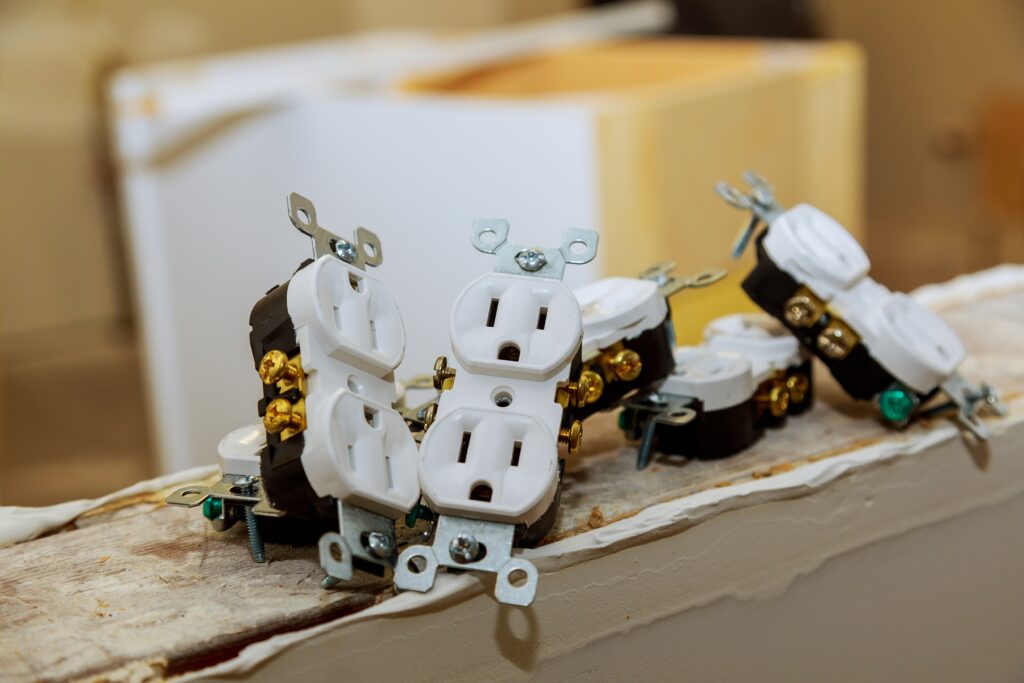
Outdoor outlets are typically wired back to a dedicated breaker in the main electrical panel. This keeps them on their own circuit, separate from indoor outlets and lighting. A dedicated circuit prevents nuisance trips and protects the rest of the home if a fault occurs outside. The breaker is sized based on the wire gauge and the expected load, usually a 20-amp breaker with 12-gauge wire for general outdoor use. Larger loads like hot tubs or pool pumps require their own dedicated circuits with appropriately sized breakers and wire.
If the existing panel is full or already overloaded, adding new circuits for outdoor outlets may not be possible without upgrades. An electrician will evaluate the panel during the initial site visit and let you know if a panel upgrade or sub-panel is needed. Older homes in Clermont and the surrounding areas often have panels that are at or near capacity. Adding outdoor outlets is a great time to address these limitations before they become bigger problems. A properly sized panel also supports future additions like EV chargers, generators, and pool electrical work.
GFCI protection at the panel is one of the cleanest ways to protect outdoor circuits. A GFCI breaker handles all outlets on the circuit from a single point, eliminating the need for GFCI receptacles at every outlet. This is especially useful when multiple outdoor outlets are wired in a row. Combination AFCI/GFCI breakers are also available and may be required in some installations under current code. Your electrician will choose the right protection method based on the layout and the local code. Need a panel upgrade before adding outdoor outlets? Click here for our electrical panel upgrade service.
Testing and Inspecting Outdoor Outlets After Installation
Once outdoor outlets are installed, testing is the next step before the job is complete. A licensed electrician will check voltage, polarity, and ground at every outlet to make sure everything is wired correctly. The GFCI protection is tested by pressing the test button and confirming the outlet trips and resets properly. A circuit analyzer is used to verify that the hot, neutral, and ground are in the right places. Any wiring mistake found at this stage is fixed before the cover is closed up. This is where professional installation shines, because most homeowners do not own the testing equipment needed to verify a safe installation.
Permits and inspections add another layer of safety to outdoor outlet projects. When required by the local jurisdiction, a building inspector will review the work to confirm it meets code. This includes checking the conduit depth, the box mounting, the GFCI protection, and the breaker sizing. Permitted work also creates a record for the home, which helps during future sales or insurance claims. Many homeowners skip permits to save time, but this can cause major problems later. A licensed electrician handles the entire permitting process as part of the job.
Long-term maintenance of outdoor outlets is simple but important. The GFCI protection should be tested monthly by pressing the test and reset buttons. The covers should be inspected for cracks, broken hinges, or worn gaskets, especially after major storms. If an outlet stops working or shows signs of moisture inside the box, it should be evaluated by a licensed electrician right away. Catching small issues early prevents bigger failures and keeps the outdoor electrical system safe for years.
Why You Need a Licensed Electrician for Outdoor Outlets
Installing outdoor outlets is one of those projects that looks simple on the surface but involves real technical and safety considerations. A licensed electrician brings the training, tools, and experience to do the job right the first time. They also carry the insurance and licensing required to pull permits and handle code compliance. Homeowners who try to install outdoor outlets themselves often run into problems with water intrusion, failed inspections, and tripped breakers. Hiring a professional protects your home, your family, and your investment.
Safety Reasons to Hire a Licensed Electrician for Outdoor Outlets
Electrical work outdoors carries higher risks than work inside the home. Moisture, rain, and direct exposure to the elements all increase the chance of shock and equipment failure. A licensed electrician understands how to handle these conditions and how to choose the right components for each location. They also know how to identify hidden hazards, like outdated wiring or undersized panels, that DIY installers often miss. This expertise prevents serious injury and damage to the home.
Florida’s weather adds even more reason to hire a professional for outdoor outlets. Heavy summer storms, lightning strikes, and high humidity all stress outdoor electrical systems. A licensed electrician installs surge protection and proper grounding to handle these conditions. They also use materials rated for the local climate, which last longer and perform better than generic parts from a big box store. The result is an outdoor electrical system that holds up to Florida weather year after year.
Code compliance is another major safety factor. The National Electrical Code is updated regularly to address new hazards and improve safety. A licensed electrician stays current on these changes and applies them to every job. DIY installers often work from outdated information or skip steps they do not understand. This creates code violations that can void insurance claims and create hazards for future homeowners.
Cost Reasons to Hire a Licensed Electrician for Outdoor Outlets
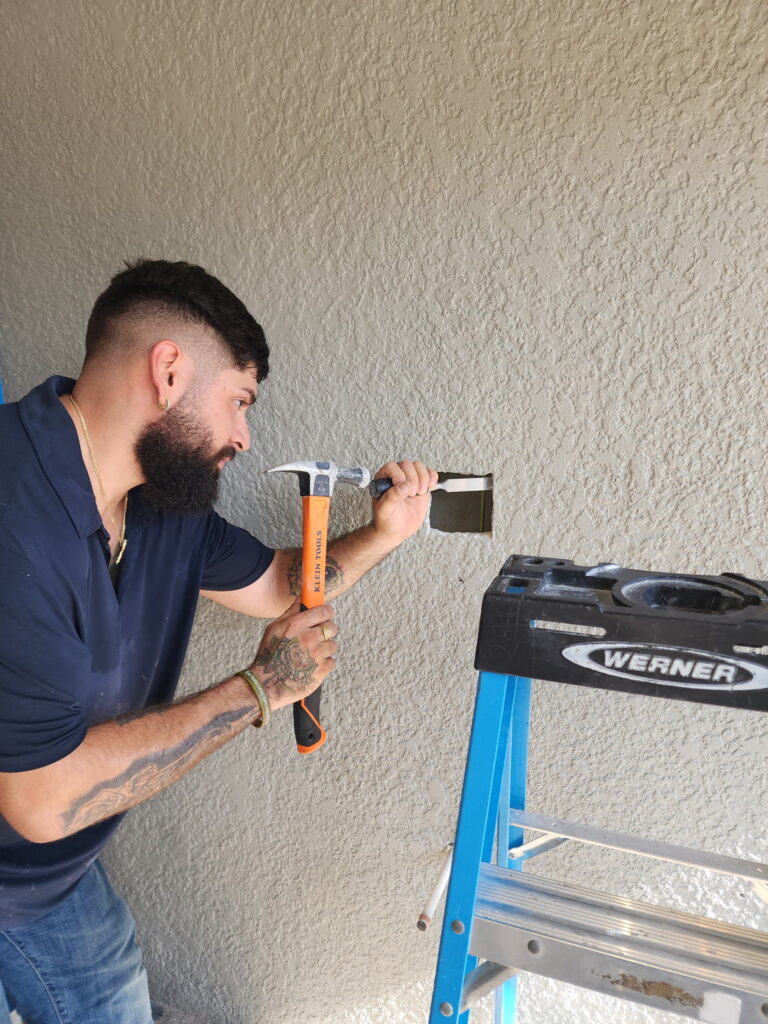
Hiring a licensed electrician for outdoor outlets actually saves money in the long run. Mistakes made during DIY installation often require professional repairs that cost more than the original job would have. Damaged wiring, failed inspections, and reworked installations all add up quickly. A professional electrician gets the job done right the first time, with the right materials and the right methods. This avoids the costly cycle of fixing and refixing.
Quality materials also save money over the life of the installation. Licensed electricians use weather-resistant outlets, in-use covers, and properly rated wire that lasts for decades. Cheaper materials from home improvement stores often fail within a few years, especially in Florida’s climate. The cost of replacing failed outlets and damaged covers adds up fast. Professional-grade materials cost more upfront but pay off through reliability and longevity.
Permitted work also protects the value of your home. When you sell, buyers and inspectors will look for proof that electrical work was done correctly. Unpermitted outdoor outlets can lower the sale price or delay the closing. A licensed electrician pulls permits as part of the job and provides documentation when needed. This keeps the home in good standing and avoids surprises during real estate transactions.
Why Choose Empowered Electric for Outdoor Outlet Installation
Empowered Electric is a trusted electrical company serving Clermont and the surrounding areas with quality outdoor outlet installations. Our team is fully licensed and insured, and we work with experienced electricians who understand Florida’s unique electrical challenges. We offer transparent pricing, so you get a clear and honest quote before any work starts. Our electricians use the best materials and industry-leading techniques to make sure every installation lasts.
We also offer 24/7 emergency services because electrical issues do not wait for business hours. If an outdoor outlet fails during a storm or trips a breaker that affects the whole home, we are ready to respond. Our team treats every job with the same care and professionalism, from a single outlet install to a full outdoor electrical upgrade. We stand behind our work and our reputation in the community. Empowered Electric is located at 341 Frontage Rd, Clermont, FL 34711, and we serve homeowners across Lake County and beyond. Call us today at (352) 814-0058 to schedule your outdoor outlet installation and get your home ready for patio season. You can also reach us by email at office@empoweredfl.com for questions and quotes. Trust the team that puts safety, quality, and customer care first.