

Why Lightning Protection Systems Are Essential for Florida Homes
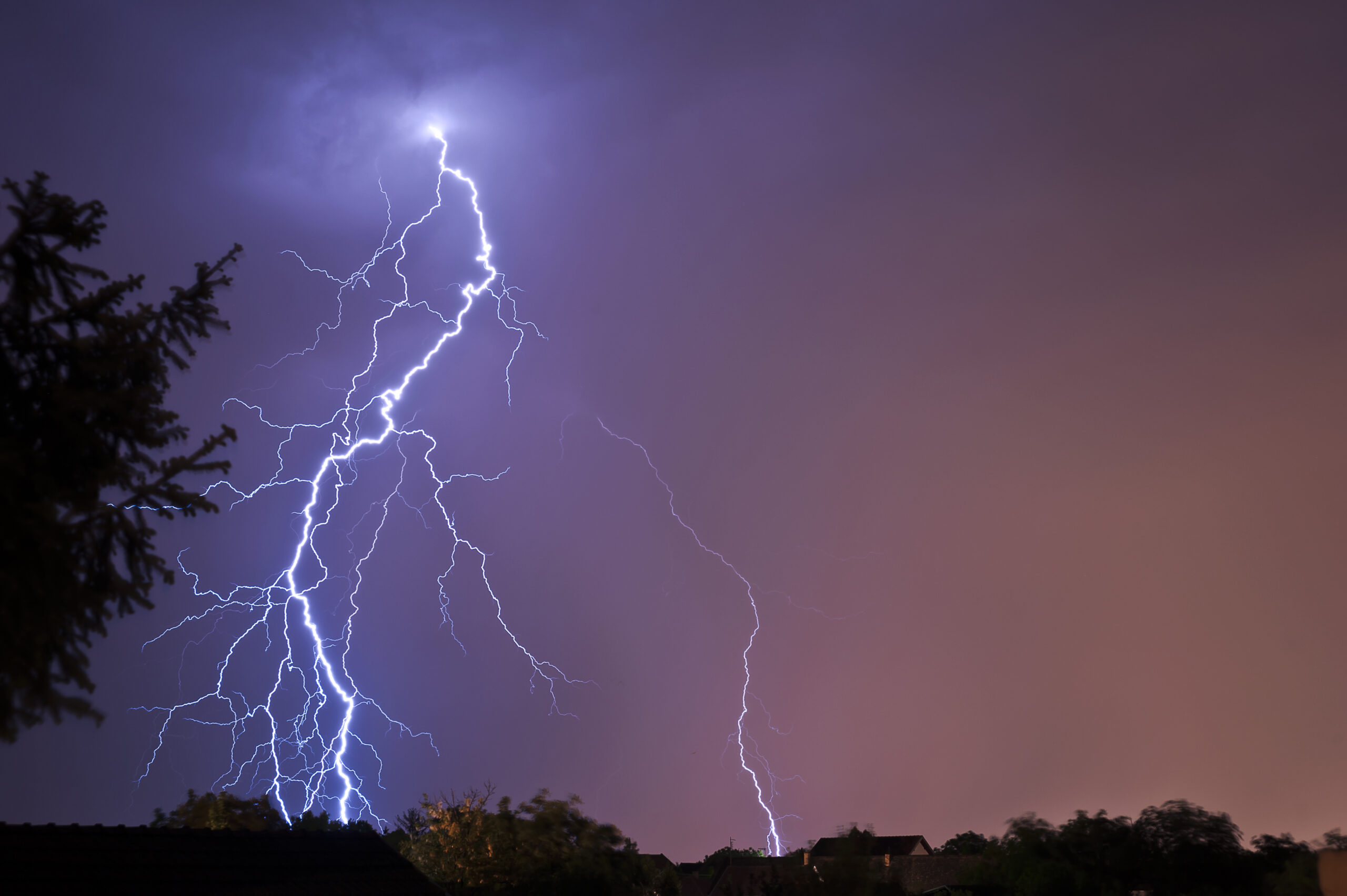
Florida earns its title as the lightning capital of the United States every single year, and Central Florida sits right in the heart of the strike zone. Homeowners in Clermont, Winter Garden, and surrounding areas face thousands of lightning strikes during the long storm season that runs from late spring through early fall. A single direct or nearby strike can fry your appliances, damage wiring inside your walls, spark fires, and leave your family without power for days. Installing a proper lightning protection system gives your home a safe path for that massive electrical surge to follow, sending it harmlessly into the ground instead of through your electronics and structure. This investment pays off the moment a storm rolls through your neighborhood. Understanding how these systems work and why Florida homes need them will help you protect your biggest investment.
How Lightning Protection Systems Work to Safeguard Your Florida Home
A complete lightning protection system uses several components working together to redirect a strike away from your home’s interior. The system includes air terminals on the roof, heavy copper or aluminum cabling, grounding rods driven deep into the earth, and bonding connections to your electrical and plumbing systems. When lightning strikes, the system gives the electricity a low-resistance path straight down into the ground. Without this path, lightning will travel through whatever conductive material it finds, including your wiring, gas lines, and metal framing. Florida building codes recognize the value of these systems, and many insurance companies offer discounts for properly installed protection. Knowing each part of the system helps you appreciate why professional installation matters so much.
The Lightning Protection System Components Every Florida Home Needs
Air terminals, commonly called lightning rods, sit at the highest points on your roof. These slim metal rods intercept a strike before it can hit your roofing materials, chimney, or attic. Modern terminals look much sleeker than the tall pointed rods of the past, and they blend into your roofline without standing out. Building codes require specific spacing and placement based on your roof’s design and slope. Each terminal must connect to the main conductor cable using approved fittings. Skipping or misplacing a terminal creates a weak spot that lightning can exploit.
Conductor cables carry the strike’s energy from the air terminals down to the grounding system. These cables are made from braided copper or aluminum, sized to handle the massive current of a lightning strike. Installers route the cables along the roofline and down the exterior of your home, keeping them away from windows and doors. Sharp bends in the cable can cause the current to jump off and find another path, so the routing follows gentle curves. The cables connect to all major metal components of your home, including gutters, HVAC units, and metal vents. Proper sizing and routing follow strict standards set by the National Fire Protection Association.
Ground rods finish the system by sending the electrical energy safely into the earth. Installers drive copper-coated steel rods at least ten feet deep around the perimeter of your home. Florida’s sandy soil sometimes requires additional rods or chemical ground enhancements to achieve proper resistance levels. Each rod connects to the conductor cables using approved clamps that resist corrosion in our humid climate. Bonding connections tie your home’s electrical panel, water lines, and gas lines into the same grounding system. This bonding prevents dangerous voltage differences during a strike that could cause side flashes or interior arcing. Click here for our lightning protection system installation service to get a system designed specifically for your home.
A Quality Lightning Protection System Stops Fire and Structural Damage
Lightning carries temperatures hotter than the surface of the sun, reaching over 50,000 degrees Fahrenheit in a single strike. When that energy hits unprotected wood, shingles, or attic insulation, fires start almost instantly. Florida fire departments respond to hundreds of lightning-caused house fires each storm season. A protected home gives the strike nowhere to ignite because the energy travels through dedicated metal pathways. The roof, walls, and attic remain untouched by the heat and current. Insurance data shows that homes with certified lightning protection suffer far less fire damage than unprotected homes.
Structural damage from lightning goes beyond fire risk in many cases. A strike can blow chunks out of chimneys, crack concrete foundations, and split wooden beams as the energy looks for a path to ground. The shockwave from a nearby strike can shatter windows and crack drywall throughout your home. Trees near unprotected homes often explode when struck, sending debris through roofs and siding. A complete protection system absorbs the strike before any of this destruction can happen. Repairs from a direct hit on an unprotected home often run into tens of thousands of dollars.
Roof penetrations create additional weak points that lightning loves to target. Vents, skylights, satellite dishes, and metal flashing all attract strikes because they offer slight conductive advantages. A protected system bonds all of these features to the main conductor network. Without bonding, a strike on a vent pipe can travel down through your plumbing and damage fixtures throughout your home. Florida’s flat or low-pitched roofs found on many homes need careful planning during installation. Each penetration must be evaluated and tied into the protection grid for full coverage.
How a Lightning Protection System Protects Your Electronics and Appliances
Modern Florida homes contain more sensitive electronics than ever before. Smart thermostats, security cameras, refrigerators with computer boards, televisions, and home automation hubs all rely on delicate circuits. A lightning strike sends a power surge through your electrical system that can wipe out every connected device in seconds. Even a strike a quarter mile away can send damaging voltage through your power lines. Your standard breaker panel offers no protection against this kind of event. Lightning protection systems work alongside whole-house surge protectors to defend your electronics.
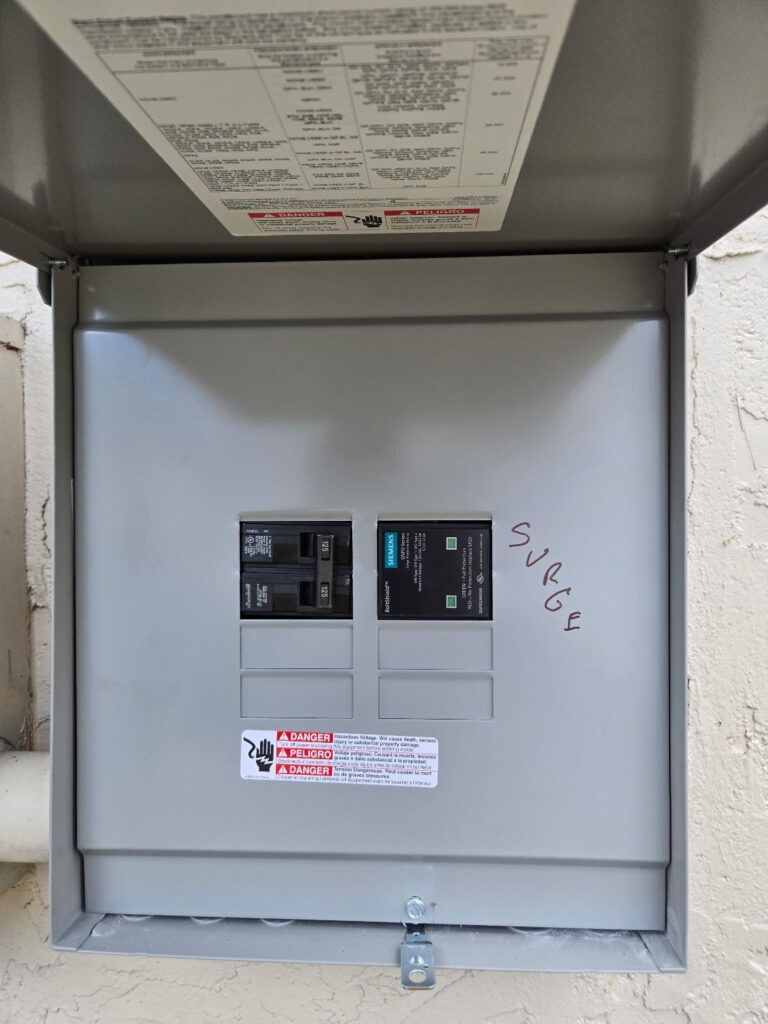
Surge protection devices installed at your main panel catch the energy that makes it past the exterior protection system. These devices clamp the voltage at safe levels and shunt the excess current to ground. Point-of-use surge protectors at outlets add a second layer of defense for your most valuable electronics. Together, these layers create a coordinated defense against both direct strikes and nearby ground surges. Many Florida homeowners learn the hard way that power strips alone do not stop a real lightning event. Professional installation ensures every layer connects properly to the grounding system.
HVAC equipment represents one of the most expensive items lightning can destroy in your home. Air conditioners, heat pumps, and pool pumps contain electronic control boards that fail at the first sign of a major surge. Replacing these components often costs thousands of dollars, and the wait for parts can leave you sweating through summer days. Bonding outdoor HVAC units into the lightning protection system shields them from both direct strikes and induced surges. Pool equipment also benefits from this bonding, especially with our high water table. If you want to add another layer of defense, click here for our whole house surge protector installation to pair with your lightning protection.
Why Florida Homes Face Higher Lightning Risk Than Anywhere Else
Florida averages around 1.4 million cloud-to-ground lightning strikes every year, more than any other state in the country. Central Florida specifically sits in the corridor between the Gulf of Mexico and the Atlantic Ocean, where sea breezes collide and build massive thunderstorms almost daily during summer. These storms produce intense lightning activity that strikes homes, trees, and infrastructure with alarming frequency. The combination of flat terrain, frequent storms, and dense suburban development means Florida homes get hit more often than most homeowners realize. Insurance claims for lightning damage in Florida consistently rank among the highest in the nation. Protecting your home is not a luxury here; it is a practical response to a real and constant threat.
The Florida Lightning Season Brings Daily Storm Risk
Florida’s lightning season runs from May through October, with peak activity in July and August. During this stretch, afternoon thunderstorms develop almost every day across Central Florida. The Clermont and Four Corners area sees particularly intense storm activity due to the geography of the surrounding lakes and hills. These storms often form quickly, drop heavy rain, and produce dozens of strikes within a few miles of homes and businesses. Weather radar regularly shows lightning density that ranks among the highest on the planet during these months. Homeowners who track strikes near their property often find dozens of close calls each year.
Sea breeze convergence drives much of Florida’s lightning activity during summer afternoons. Warm, moist air from both coasts pushes inland and meets in the middle of the state, creating the perfect conditions for thunderstorm development. This pattern repeats day after day, week after week, throughout the warm months. Storms typically peak between 2 PM and 8 PM, right when families return home from work and school. The predictability of these storms gives lightning plenty of opportunities to strike vulnerable structures. Newer subdivisions in growing areas like Horizon West and Winter Garden expand the target zone every year.
Tropical systems add another dimension to Florida’s lightning risk profile. Hurricanes, tropical storms, and even weaker tropical waves bring massive lightning activity to the state. Outer bands of tropical systems can drop hundreds of strikes per hour across a small area. These slow-moving storm systems give lightning extended opportunities to find vulnerable targets. Hurricane season overlaps with peak lightning season, compounding the risk for unprotected homes. A complete lightning protection system handles tropical lightning just as effectively as routine afternoon thunderstorms.
Florida Building Materials Increase Lightning Damage Risk
Many Florida homes feature stucco exteriors, concrete block construction, and metal roofing components. These materials behave differently during a lightning strike than the wood frame homes common in northern states. Metal flashing, gutters, and roof vents can carry current into your home if they are not properly bonded to a grounding system. Concrete block walls contain steel reinforcement that becomes a conductor during a strike. Without proper bonding, the current can jump between metal components and cause hidden damage inside walls. Professional installers understand how each material interacts during a strike.
Tile roofs popular throughout Central Florida present unique installation challenges for lightning protection. Air terminals must be mounted without cracking tiles or compromising the waterproof underlayment. Conductor cables need careful routing to avoid creating leak points in the roof system. Experienced installers use specialized brackets and adhesives designed for concrete and clay tile roofs. The system must remain secure through hurricane winds without damaging the roof. Proper installation actually protects the roof itself from the kind of strikes that crack and shatter tiles.
Pool enclosures, screen rooms, and outdoor kitchens add more metal to your property than older homes typically had. Each metal structure can act as a lightning attractor and a path for stray current. Bonding these features into your home’s grounding and protection system prevents dangerous voltage from reaching people or pets. Outdoor electrical equipment like pool pumps, landscape lighting, and irrigation controllers all need surge protection coordinated with the main system. The growing complexity of Florida homes makes professional design more important than ever. A licensed electrician evaluates every metal feature on your property as part of the installation plan.
How Lightning Protection Saves Florida Homeowners Money
The average lightning damage claim in Florida runs between $10,000 and $30,000 for a single event. Major strikes can cause total losses that exceed $100,000 when fires destroy the structure. Insurance premiums in Florida already rank among the highest in the country, and lightning claims drive those costs higher every year. Many insurance companies offer premium discounts for homes with certified lightning protection systems. Some policies even require protection for high-value homes or those in particularly storm-prone areas. The discount alone often covers a significant portion of the installation cost over time.
Replacement costs for damaged electronics and appliances continue climbing as homes get smarter. A single strike can destroy your refrigerator, television, computers, gaming consoles, smart home hubs, security systems, and HVAC controls. Replacing all of these items at once creates a financial shock that catches many families unprepared. Even with insurance coverage, deductibles and depreciation reduce the actual payout significantly. Lightning protection prevents these losses from happening in the first place. The peace of mind during storm season has real value for Florida families.
Storm season disruption costs more than just the immediate repairs. Power outages from lightning can spoil food, force families into hotels, and shut down home-based businesses. Repair contractors face high demand after major storms, sometimes leaving homeowners waiting weeks for service. Protected homes avoid most of this disruption entirely. The investment in protection looks even smarter when you factor in the time and stress saved during a difficult repair process. Long-term homeowners in Florida often recoup the system cost several times over.
Why You Need Empowered Electric for Lightning Protection Installation
Lightning protection is too important to trust to anyone without proper training and certification. Florida homes deserve systems designed by licensed electricians who understand local building codes, soil conditions, and storm patterns. Empowered Electric brings years of experience installing protection systems throughout Clermont, Winter Garden, and the surrounding Central Florida communities. Our team handles every step from initial inspection through final testing and certification. We treat every installation as if it were protecting our own family’s home. Click here for our lightning protection system service to schedule your free evaluation.
A Professional Lightning Protection Installation Starts With Proper Design
Every Florida home has unique features that affect lightning protection design. Roof shape, height, building materials, and surrounding trees all influence where air terminals need to go. Our electricians evaluate your property in person before recommending any equipment. We measure rooflines, identify potential strike targets, and plan conductor routing for maximum protection. The design follows NFPA 780 standards, the national code for lightning protection installation. You receive a clear plan showing exactly where each component will be installed.
Our team uses only UL-listed components that meet or exceed national standards. Cheaper materials may save money upfront but fail when a real strike happens. Copper conductors, approved fittings, and certified ground rods give you decades of reliable protection. We size every component based on your specific home and risk profile. Bonding connections tie into your existing electrical panel, gas lines, and water service safely. The finished system blends into your home’s appearance while providing complete protection.
Coordination with other electrical systems matters for full protection. We tie lightning protection installations together with surge protection at your panel and grounding upgrades when needed. Many Florida homes have older electrical systems that benefit from updates during a protection installation. Our team checks your panel, grounding electrode, and bonding connections as part of the project. Any issues we find get explained clearly with options for addressing them. This thorough approach prevents weak spots that could undermine the protection system.
Florida Lightning Protection Requires Local Storm Experience
Generic lightning protection installers from out of state often miss the unique challenges of Florida storms. Our electricians live and work in Central Florida, dealing with the same lightning threats as our customers. We understand which neighborhoods see the heaviest strike density and what damage patterns appear after major storms. This local knowledge shapes every system we design and install. We know which components hold up best in our humid, salty coastal air. Our installations stand up to hurricane winds, daily afternoon thunderstorms, and decades of Florida weather.
Permit requirements and inspection processes vary across Lake, Orange, and Polk counties. Our team handles all the paperwork and coordinates with local building departments for required inspections. You never have to chase permits or navigate confusing code requirements on your own. We schedule installations around the storm season when possible, minimizing exposure during work. Every project ends with full system testing and documentation for your insurance company. The paperwork makes claiming premium discounts straightforward with most insurers.
Existing customers throughout Clermont, Winter Garden, Ocoee, and Horizon West trust us for ongoing electrical needs. Many call us back for lightning protection after seeing nearby homes suffer strike damage. We build long-term relationships through honest pricing and quality workmanship. Service after the installation matters too, with annual inspections recommended to verify continued protection. Loose connections, corroded fittings, or damaged components get caught early during these checkups. The relationship continues long after the initial installation ends.
Why Choose Empowered Electric for Your Lightning Protection System
Empowered Electric is fully licensed and insured, giving you complete peace of mind during installation. Our electricians carry the credentials needed to perform lightning protection work safely and correctly. Transparent pricing means you see clear, honest quotes before any work begins. No surprise charges appear on your final invoice. We treat your home with respect, cleaning up thoroughly after every project.
Quality materials and proven installation techniques set our work apart from cut-rate competitors. We use industry-leading equipment that performs reliably for decades. Our team trains continuously on the latest codes and best practices in lightning protection. Every installation includes thorough testing and a clear walkthrough of the finished system. You understand exactly what was installed and how to maintain it going forward.
Emergency services are available 24/7 for electrical issues that cannot wait. Storm damage, sudden outages, or safety concerns get our prompt response any time of day or night. Reach Empowered Electric at (352) 814-0058 to schedule your lightning protection evaluation or to learn more about safeguarding your Florida home. Our office at 341 Frontage Rd in Clermont serves homeowners throughout Central Florida with the trusted electrical expertise your family deserves.