

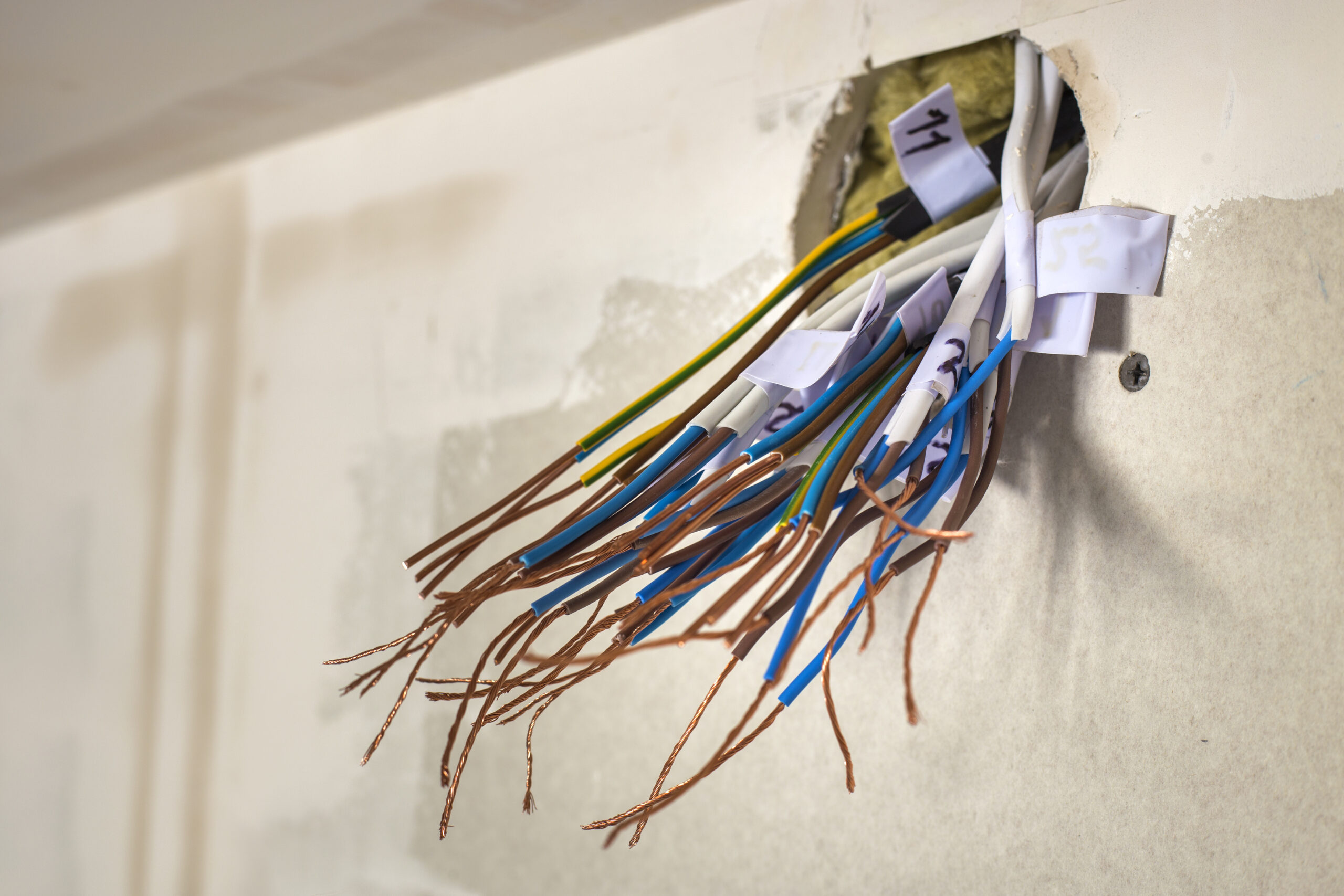
Why Aluminum Wiring in Older Homes Should Be Inspected Right Away
Homes built in Clermont and across Lake County during the late 1960s and early 1970s often hide a problem behind the drywall. During that period copper prices climbed sharply, and builders switched to solid aluminum wire for the branch circuits that feed outlets, switches, and light fixtures. The wire itself carries current safely, but the connections at each end do not hold up the way copper connections do. Over decades of heating and cooling, those terminations loosen, corrode, and build resistance until they run hot enough to scorch a wall box. September in Central Florida puts real strain on that weak point, since air conditioners run nearly around the clock and storm related surges hit tired connections hard. The U.S. Consumer Product Safety Commission found that homes wired with pre 1972 aluminum branch circuits are far more likely to reach fire hazard conditions at connections than homes wired in copper. That is why an inspection cannot wait until something smells like it is burning.
Why Aluminum Wiring in Older Homes Becomes a Fire Hazard
Aluminum is not a bad conductor, and it is still used today for service entrance cable and large feeders. The trouble is specific to the small solid conductors used for 15 and 20 amp branch circuits, and to the way those conductors behave at screw terminals. Aluminum expands and contracts more than copper under load. It also creeps, meaning it slowly deforms under the steady pressure of a terminal screw. Add the oxide layer that forms whenever bare aluminum meets air, and you get a joint that gets worse every year. None of that shows on the surface, which is the entire reason a licensed electrician has to open the boxes and look.
How Aluminum Wiring in Older Homes Loosens at Outlets and Switches
Every time you run a hair dryer or a window unit, the conductor feeding that receptacle warms up and grows slightly. When the load shuts off, it cools and shrinks back. Copper does the same thing, just far less. Aluminum moves roughly a third more than copper for the same temperature change, and the terminal screw does not move with it. After thousands of cycles the wire works its way out from under the screw head and the contact area shrinks. Less contact means more resistance, and more resistance means more heat at that exact spot. The cycle feeds itself until the terminal runs hot enough to discolor the device and soften the plastic around it.
Creep makes the problem worse. A terminal screw applies constant pressure, and aluminum slowly flows away from that pressure instead of pushing back the way copper does. The joint a builder torqued correctly in 1971 may hold only a fraction of that clamping force today. Vibration from a slamming door, a ceiling fan, or an air handler adds a little more movement each day. Homeowners often make it worse without knowing, since replacing an old receptacle with a standard modern one puts aluminum against a device that was never tested for it. The push in back stab connections on the rear of inexpensive receptacles are especially poor with aluminum and should never be used with it. A correct repair uses devices marked CO/ALR or approved connectors rated for the job.
Oxidation is the third piece. Bare aluminum forms a thin oxide film almost immediately when exposed to air, and that film does not conduct well. Copper oxide is a fair conductor, so copper joints tolerate a little corrosion; aluminum oxide behaves more like an insulator. Current then has to squeeze through the shrinking metal to metal contact points that remain. Those points glow, sometimes reaching temperatures that char wood framing without ever tripping the breaker. A standard breaker only reacts to the current the whole circuit draws, and a bad connection can burn while that circuit still measures a perfectly normal load. That blind spot is why a hands on inspection matters more than any protection installed at the panel.
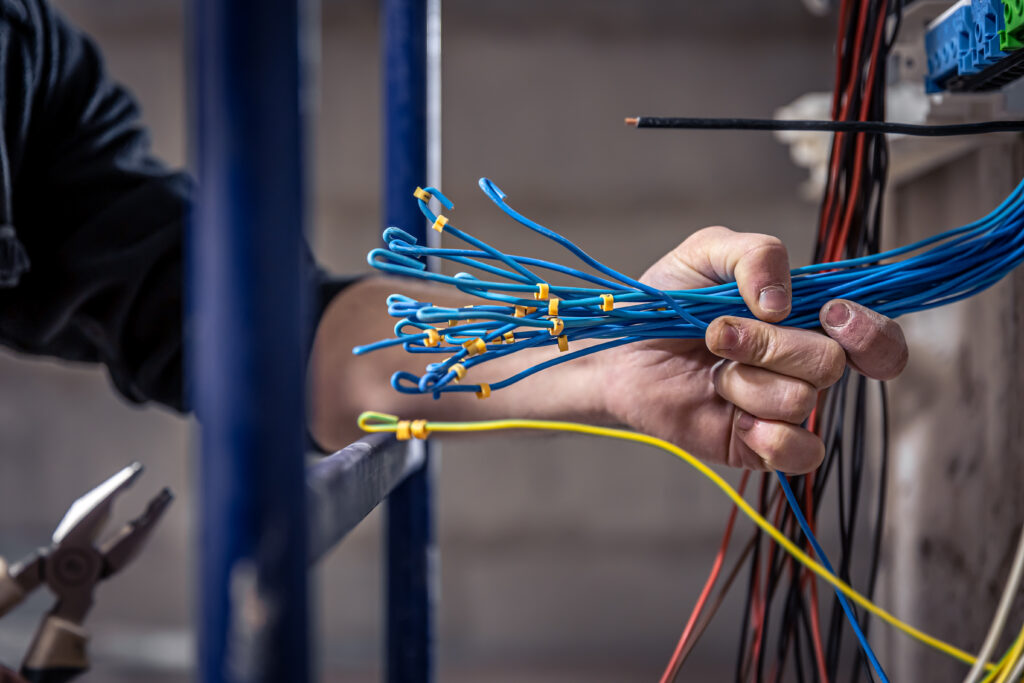
How Heat and Humidity Damage Aluminum Wiring in Older Homes
Central Florida gives aluminum connections a harder life than most of the country. Attic temperatures in Clermont regularly pass 130 degrees in late summer, and much of the branch wiring in a 1970s ranch runs through that attic and down into the wall cavities. Heat accelerates every failure mode already described, since expansion swings get wider and oxide layers grow faster. Humidity adds moisture to the mix, and moisture plus two dissimilar metals produces galvanic corrosion right at the joint. Wall boxes on exterior walls see condensation as the air conditioning fights the outdoor dew point. Garages, lanais, and pool equipment areas are worse yet, because those spaces are not conditioned at all. Every one of those locations deserves a close look during an inspection.
Storm season compounds the strain. Central Florida sits in the lightning capital of the country, and September falls at the tail end of the busiest stretch. Nearby strikes and utility switching push voltage transients through household wiring, and a high resistance aluminum joint takes the brunt of that energy. Repeated surges pit and erode the contact surface a little more each time. Power comes back after an outage with a hard inrush as every motor in the house starts at once, which stresses the same weak terminations again. Homes that lose and regain power several times during a single storm see that shock repeated in a matter of hours. Surge protection removes one source of damage, though it will never fix a connection that has already gone loose.
Air conditioning load is the quiet stress test. A house running its condenser and air handler for most of the day keeps current flowing through panel connections, feeder terminations, and shared neutrals for hours at a stretch. Kitchen circuits, laundry circuits, and garage circuits stack more heat on top of that. In a home with aluminum branch wiring, the terminations never get a long cool period to rest and recover. Electricians frequently find scorched receptacles on the circuits serving window units, freezers, and shop tools, because those loads run long and steady rather than in short bursts. Wall heaters and portable heaters cause similar damage during the few genuinely cold weeks Florida gets each year. Load pattern tells an experienced electrician exactly where to look first.
Warning Signs of Failing Aluminum Wiring in Older Homes
Some symptoms are easy to catch once you know what they mean. Cover plates that feel warm to the touch are never normal, and neither are receptacles that feel warm with nothing plugged into them. Lights that flicker on one circuit while the rest of the house stays steady point at a connection rather than at the utility. A faint smell of hot plastic near an outlet or switch deserves immediate attention. Static or popping from a speaker system, a sizzling sound inside a wall box, or a television that blinks every time the air conditioner starts all suggest an unstable connection. Outlets that quit and then work again days later rank among the most dangerous signs, since intermittent contact means arcing. Shut that circuit off at the panel and call an electrician when any of it shows up.
Visual clues help too. Brown or black staining around the slots of a receptacle, a device face that has yellowed unevenly, or a cover plate that has warped all tell you heat has been present. Screw terminals visible through the sides of a device sometimes show a dull gray or white powder, which is oxidation doing its work. Markings on the cable jacket reading AL, ALUMINUM, or ALUM identify the conductor, and older cable is usually stamped every foot or two along its length. Attics and unfinished garages give the clearest view, since cable runs there are frequently exposed at the top plate. A flashlight and ten minutes will tell most homeowners something useful. Confirming it, and knowing what to do about it, takes a licensed electrician.
Age remains the strongest predictor of all. A house built between roughly 1965 and 1973 has a real chance of solid aluminum branch circuits, and Clermont, Groveland, and Tavares all have neighborhoods from exactly that window. Later additions and remodels muddy the picture, since a home can easily have copper in the kitchen and aluminum everywhere else. Multi strand aluminum feeding the range, the dryer, the air handler, or the meter is a different animal entirely and remains standard practice today when it is terminated correctly. Confusing the two leads homeowners to panic over wiring that is perfectly acceptable or to ignore wiring that is not. An electrician sorts all of that out in a single visit. Nothing about the diagnosis requires tearing the house apart.
What an Electrical Inspection for Aluminum Wiring in Older Homes Covers
An inspection built around aluminum wiring looks nothing like a quick walkthrough. The electrician has to pull devices, examine terminations, evaluate the panel, and document what is present so you can make a decision with real information in front of you. Expect the power to be off in sections while that happens. A thorough visit covers the service equipment, a representative sample of outlets and switches, junction boxes in accessible spaces, and every point where aluminum meets copper. Photographs and written notes matter, since insurance carriers and future buyers will ask for them. Want a full evaluation of your home wiring? Click here for our electrical inspection service.
How an Electrical Inspection Identifies Aluminum Wiring in Older Homes
Identification starts at the panel, where cable ends are usually visible and labeled. The electrician reads the printing on the cable jacket, checks conductor color and stiffness, and looks at how the branch circuits land on the breakers. Solid aluminum has a distinct dull silver appearance and feels noticeably stiffer and lighter than copper of the same size. Conductor sizing gives another clue, since aluminum needs a larger wire to carry the same current as copper. A 15 amp circuit run in aluminum uses 12 gauge wire where copper would use 14. Those details take seconds for someone who does this daily and are very easy for a homeowner to misread. Getting the identification right shapes every decision that follows.
From there the work moves out into the house. Devices come out of their boxes one at a time so the terminations can be seen directly under good light. The electrician looks for discoloration on the wire, on the device, and on the box itself, and checks for the telltale gray oxide around the screws. Connections get evaluated for tightness, though simply retightening an old aluminum terminal is not a repair and can actually accelerate creep. Any spot where a previous owner spliced aluminum to copper with a standard twist on connector gets flagged, since that combination has a well documented record of failure. Junction boxes buried behind insulation or covered by drywall get noted as well, because hidden splices are both a code violation and a hazard. The goal is an honest map of the entire system.
Testing rounds out the picture. Thermal imaging under load reveals connections running hotter than their neighbors, which frequently points at the worst terminations long before any visible damage appears. Voltage drop measurements across a loaded circuit expose resistance that a simple continuity check would never catch. Receptacle testers confirm polarity and grounding, and many 1970s homes still have ungrounded circuits or bootleg grounds added by someone along the way. Ground fault protection gets verified in kitchens, bathrooms, garages, and outdoor locations where the code now requires it. Every finding gets written down with a specific location so the report still makes sense six months later. You should finish the visit understanding what you have and what each option costs.
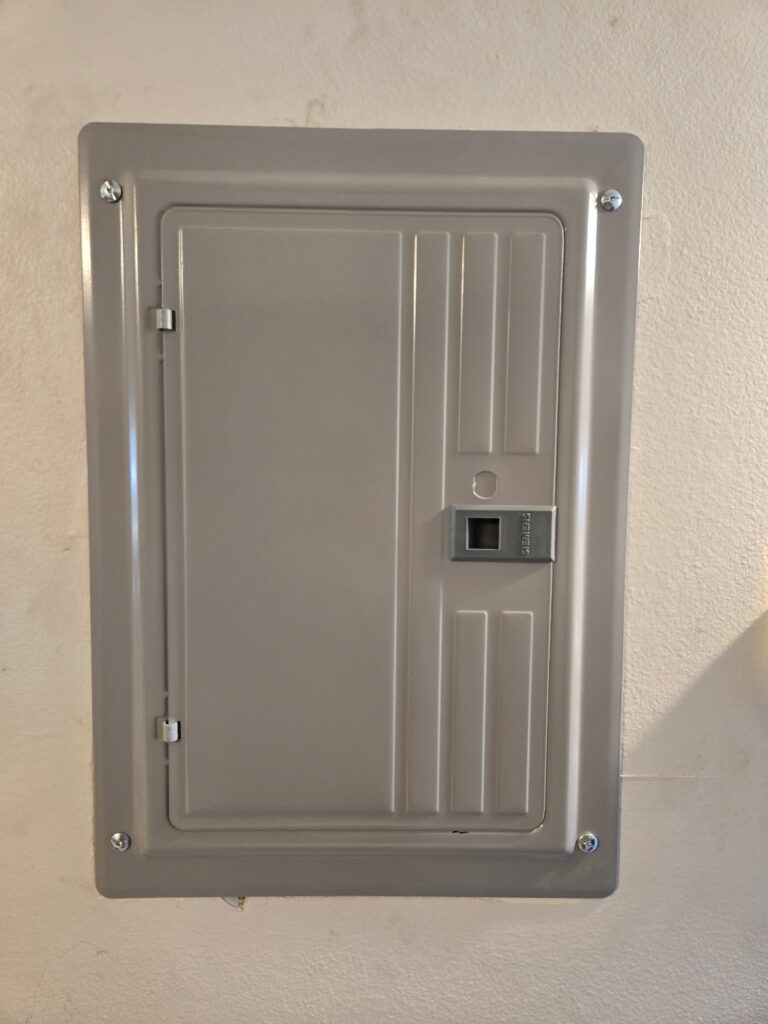
The Panel Check During an Aluminum Wiring Electrical Inspection
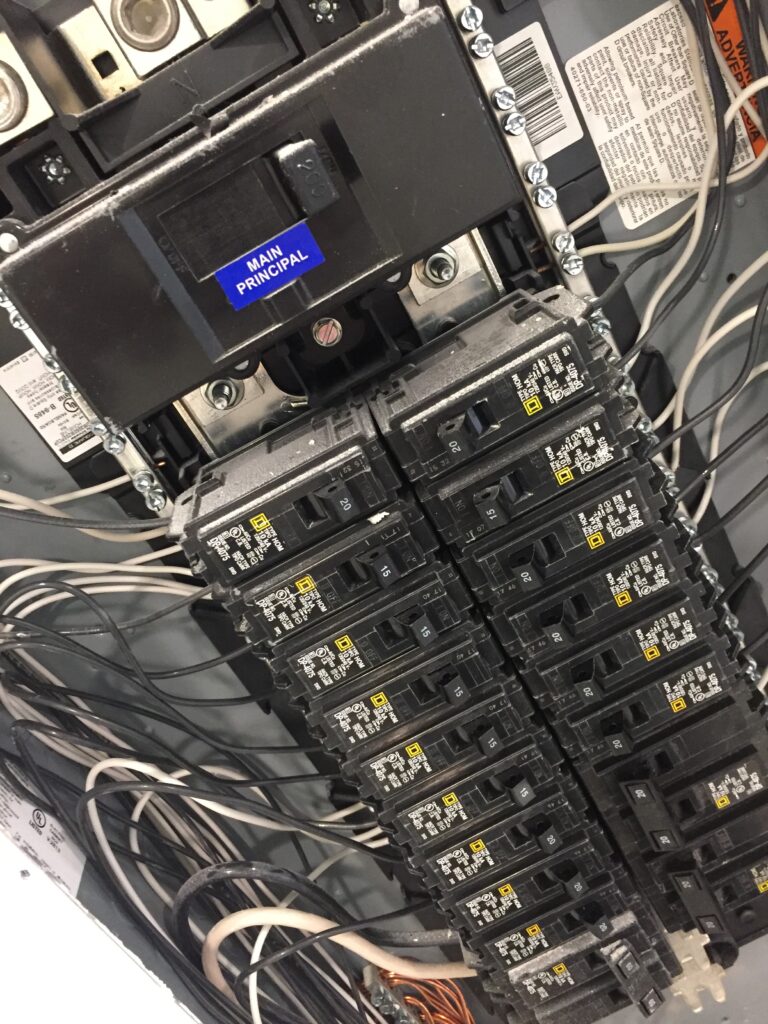
Panels from the aluminum era carry their own troubled history. Federal Pacific Stab Lok and Zinsco equipment was installed widely during those same years and has a documented record of breakers that fail to trip on overload. Finding one of those panels alongside aluminum branch circuits changes the entire conversation, since two independent problems now stack on the same system. Bus bars corrode, breaker clips lose tension, and neutral bars show heat damage where aluminum conductors land. Older panels also lack the space and the ratings needed for anything a modern household wants to add. Replacing the panel is often the practical starting point for a larger repair plan. Thinking about upgrading your panel? Click here for our electrical panel upgrade service.
Terminations inside the panel get individual attention. Aluminum conductors landing on breakers and neutral bars need the correct torque, and manufacturers publish those values for a reason. Undertightening leaves resistance behind; overtightening damages the conductor and guarantees a failure later on. Listed antioxidant compound belongs on aluminum terminations that call for it, and the absence of it on a service conductor is a common finding in older work. The electrician verifies that every lug is rated for aluminum, since a copper only lug holding an aluminum conductor is both a code violation and a fire risk. Double tapped breakers, missing bonding, and undersized grounding electrode conductors turn up regularly in panels of this age. Each item gets recorded along with a clear recommendation.
The service itself deserves review while the panel is open. Many homes from that period still carry 100 amp service, and a few are still running on 60. Modern life has added an electric water heater, a second air conditioner, a pool pump, and often an electric vehicle charger to houses designed for a fraction of that demand. Aluminum branch circuits under heavy modern loading fail considerably sooner than the same wiring in a lightly loaded home. Meter cans, service masts, and weather heads corrode steadily in Florida humidity and get inspected during the same visit. Generator and surge protection needs come up naturally at this point, given how often power goes out during storm season here. One trip covers the whole picture.
Repair Options After an Aluminum Wiring Electrical Inspection
Complete rewiring in copper is the permanent answer. Every branch circuit gets replaced from the panel to the last device, which removes the failure mode entirely instead of managing it year after year. It costs the most and disturbs the house the most, since walls, ceilings, and attic insulation all get involved in the process. Many owners choose it during a renovation, a reroof, or a whole house remodel when access is already open and the mess is already happening. Homes with plaster walls, tight attics, or slab construction cost more to rewire than an open frame house with a walkable attic. The payoff is a system that will outlive the current owner and satisfy any insurance carrier in the state. Nothing else matches it for long range peace of mind.
Approved connector repairs offer a middle path. The COPALUM crimp system permanently joins a copper pigtail to the aluminum conductor using a special tool and a certified installer, and the Consumer Product Safety Commission has long treated it as an acceptable repair. AlumiConn lugs use set screws inside an insulated block and can be installed by any qualified electrician, which makes them far more available in most markets. Both methods put copper at the device, so ordinary receptacles and switches can then be used without concern. Every connection in the home has to be treated for the repair to mean anything, including switches, fixtures, and junction boxes. Standard twist on wire nuts are not a substitute and carry a poor record on aluminum to copper splices. Box fill becomes a real consideration too, since these connectors take up space in the shallow boxes common to 1970s construction.
Device replacement with CO/ALR rated receptacles and switches is the most limited option available. Those devices are built and tested for direct connection to solid aluminum, and they genuinely help at the points they cover. They do not exist for light fixtures, appliance connections, or 240 volt equipment, which leaves large portions of the system completely untreated. Arc fault breakers add a useful layer of protection and are required for many circuits in new work, though they cannot detect every high resistance connection that glows quietly without arcing. Insurance carriers vary in what they will accept, and some will only write a policy after a full rewire or a certified crimp repair. The right choice depends on the house, the budget, and the carrier holding the policy. An electrician who has actually inspected the home can lay out each path with real numbers attached.
Why You Need an Aluminum Wiring Inspection Before Hurricane Season Ends
September and October remain active storm months in Central Florida, and the electrical system takes a beating throughout both. Outages, surges, generator connections, and long air conditioning runs all land on the same aging terminations week after week. Waiting until a receptacle scorches turns a scheduled repair into an emergency call. An inspection now gives you the time to plan, price, and schedule the work on your own terms. It also puts documentation in your hands well before your insurance renewal comes due.
Why Aluminum Wiring Inspections Matter for Florida Home Insurance
Florida insurance carriers pay very close attention to aluminum branch wiring. Many will not write a new policy on a home that has it, and others require a licensed electrician to certify a repair before they will bind coverage. Four point inspections at renewal ask about wiring type directly, and an honest answer can affect both the premium and the policy itself. Homeowners often learn about their wiring for the first time from an underwriter, usually with a short deadline attached to the notice. Having an inspection report already on file changes that conversation completely. It shows the carrier exactly what exists and exactly what has been corrected.
Documentation carries weight in a claim as well. A fire investigation that traces the origin back to a failed aluminum connection can raise hard questions about what the owner knew. Records showing an inspection, a repair, and pulled permits for that work protect you. Permitted repairs also transfer to the next owner, which matters a great deal when the home eventually sells. Lake County buyers routinely ask about wiring during due diligence, and a clean answer keeps the deal moving forward. Sellers who address it in advance avoid last minute price negotiations at the closing table.
Cost planning gets much easier with real information. A rewire quoted in advance can be scheduled around a remodel or budgeted across a full year. Connector repairs can be staged room by room in some cases, starting with kitchens, laundry areas, and any circuit that has already shown symptoms. Emergency work never offers those choices and always costs more than planned work. Knowing the number, even a large one, beats guessing at it indefinitely.
Why Aluminum Wiring Inspections Should Come Before You Add New Circuits
New loads land on old wiring far more often than homeowners expect. Adding an electric vehicle charger, a hot tub, a pool heater, or a mini split raises demand on both the service and the panel. An existing aluminum system that has been coasting for years can begin failing once total load climbs. Permits for new work also bring inspectors out, and existing conditions sometimes have to be corrected before a job will pass. Finding that out at the start of a project avoids a stalled job and a frustrated contractor. An inspection is by far the cheapest step in any of these upgrades.
Remodels create the single best opportunity for repair. Open walls, removed ceilings, and cleared attics cut the labor of rewiring dramatically. A kitchen renovation that already requires new dedicated circuits is the natural moment to replace the aluminum feeding that entire area. Bathroom updates, room additions, and reroofs all offer similar access at similar savings. Coordinating the electrical work with the rest of the project saves both money and mess. Doing it afterward means opening finished surfaces all over again.
Smart devices and modern fixtures raise the stakes as well. Smart switches, dimmers, and recessed lighting are not designed for direct connection to solid aluminum conductors. Installing them without a proper copper pigtail creates precisely the joint that fails. Homeowners rarely know that when they order a box of switches online. An electrician handles the transition correctly and leaves behind a connection that will actually hold.
Why Choose Empowered Electric for Your Aluminum Wiring Inspection
Empowered Electric works in Clermont and across Lake, Orange, and Polk counties every day, which means our team already knows the neighborhoods where aluminum wiring turns up. We are licensed and insured, and every technician who opens your panel has the training to evaluate what is actually there. Our pricing is transparent, so you get a clear and honest quote before any work begins. We use quality materials and proven methods rather than shortcuts that create problems two years down the road. That approach is what built our reputation in this community.
We also understand how urgent this kind of work can feel. Electrical problems do not keep business hours, and our 24/7 emergency service covers the nights and weekends when a burning smell wakes you up at two in the morning. Storm outages, tripped circuits, and dead receptacles all get a fast response. Our team arrives prepared to diagnose and stabilize the situation before any conversation about long range repairs begins. You get straight answers about what is safe and what is not.
Your home deserves wiring you never have to think about again. We inspect, document, and repair aluminum branch circuits using methods your insurance carrier will recognize, and we handle the permits and inspections that come along with the work. Ready to replace outdated aluminum branch circuits for good? Click here for our electrical wiring service. Call Empowered Electric at (352) 814-0058 or email office@empoweredfl.com to schedule an inspection for your older Clermont home. We will tell you exactly what you have, and you will decide what to do about it.