

What an Electrical Inspection Actually Covers When You Buy a New Home
Buying a home in Central Florida is one of the biggest purchases you will ever make, and the electrical system is one of the easiest places for hidden problems to slip past you. A general home inspector looks at the electrical system briefly, but a licensed electrician digs much deeper during a dedicated electrical inspection. Summer in Florida brings daily thunderstorms, heavy air conditioning loads, and power surges that stress every circuit in a house. That makes a professional electrical inspection especially important before you close during the busy summer buying season. An electrical inspection covers the panel, the wiring, the outlets, the grounding system, and every visible connection inside and outside the home. It also verifies that past renovations were done to code and not patched together by a previous owner. This guide explains exactly what an electrical inspection covers when you buy a new home, so you know what you are paying for and why it matters. Thinking about a home purchase near Clermont? Click here for our electrical inspection service.
What a Home Buyer Electrical Inspection Covers Inside the House
The interior portion of a home buyer electrical inspection is where most safety issues are found. Your electrician starts at the electrical panel and works through every room, testing outlets, switches, fixtures, and visible wiring. Older homes around Lake County often have aluminum branch wiring, outdated panels, or DIY work from previous owners. Newer homes can have problems too, including loose connections, missing GFCI protection, and overloaded circuits. Florida humidity and heat accelerate wear on connections, which makes interior testing even more valuable here. A thorough interior electrical inspection catches these issues before they become your repair bill. Each finding goes into a written report you can use during negotiations.
The Electrical Panel Inspection for Home Buyers
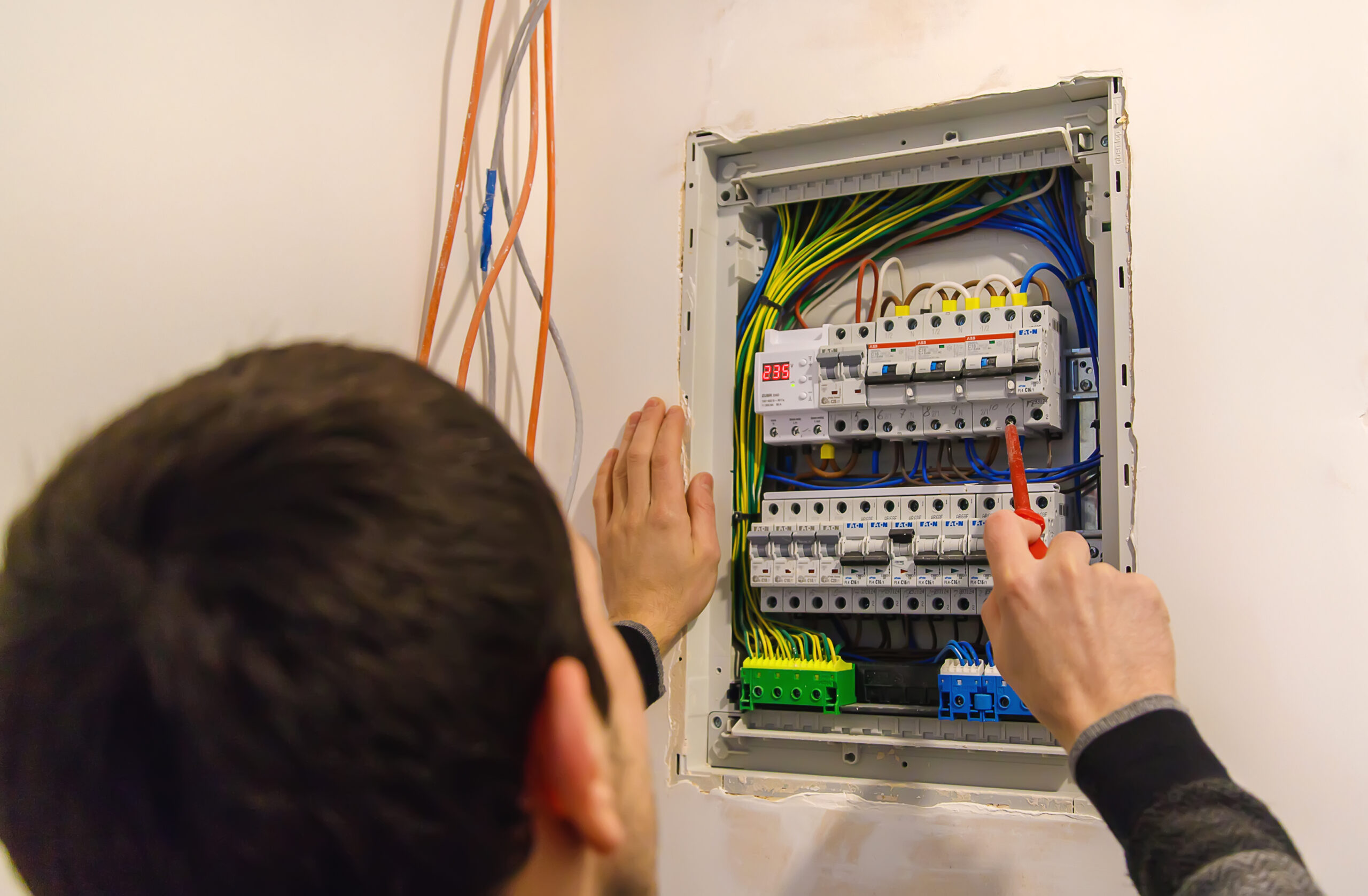
The electrical panel is the heart of the home, so the panel inspection is the most important part of any home buyer electrical inspection. Your electrician removes the panel cover and examines every breaker, bus bar, and connection inside. They check for signs of overheating, such as scorch marks, melted insulation, or discolored lugs. They also confirm that the panel brand is safe, because certain older panels like Federal Pacific and Zinsco are known fire hazards that insurers often refuse to cover. Breaker sizing gets verified against wire gauge to make sure no circuit is protected by an oversized breaker. Double tapped breakers, which happen when two wires share one breaker terminal, are flagged as a code violation. The electrician also confirms the panel has room for future circuits you may want, like an EV charger or hot tub.
Panel capacity matters just as much as panel condition when you buy a home in Florida. Many older Clermont area homes still run on 100 amp service, which struggles to handle modern air conditioning, pool equipment, and kitchen appliances all at once. Your electrician calculates the home’s expected load and compares it to the service size. An undersized panel means frequent tripped breakers and limits on future upgrades. This is exactly the kind of finding you want in writing before you sign closing documents. Upgrading service after purchase can cost thousands, so knowing in advance protects your budget. If the inspection reveals an aging or undersized panel, click here for our electrical panel upgrade service.
Grounding and bonding are the final pieces of a proper panel inspection. The electrician traces the grounding electrode conductor to confirm the home is actually connected to a ground rod or foundation grounding system. They verify the neutral and ground bonding is correct for the panel type, because improper bonding can energize metal surfaces throughout the house. Corrosion at the ground connection is common in humid Florida climates and gets checked closely. Bonding of water pipes and gas lines is confirmed where required. A home with poor grounding is vulnerable to shock hazards and surge damage during summer lightning storms. None of this is visible to a buyer walking through a showing, which is why the panel inspection carries so much weight.
The Outlet and Switch Electrical Inspection Checklist
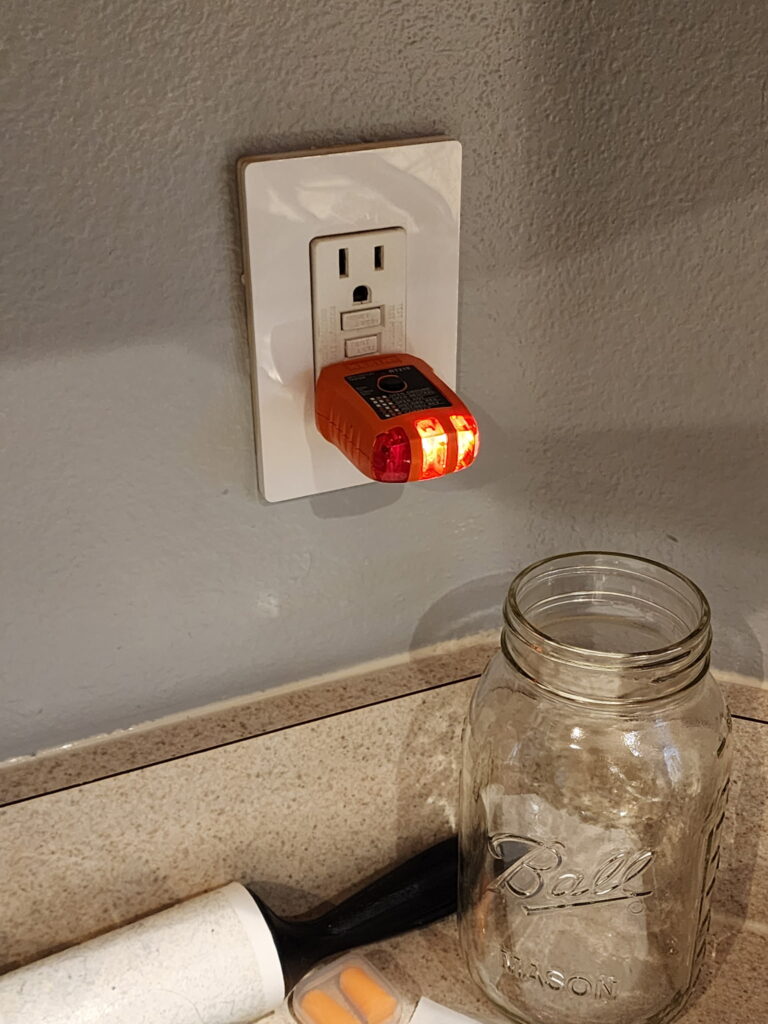
Every accessible outlet in the home gets tested during a buyer electrical inspection, and this checklist catches more problems than almost any other step. The electrician uses a tester to verify correct wiring at each receptacle. Reversed polarity, open grounds, and open neutrals show up constantly in homes where previous owners did their own electrical work. Reversed polarity means hot and neutral wires are swapped, which can energize appliance parts that should be safe to touch. Open grounds leave you with no protection path if a fault occurs. These conditions are invisible until tested, and a single afternoon of testing reveals every one of them. The report lists each faulty outlet by room so repairs can be quoted accurately.
GFCI and AFCI protection is a major focus of the outlet portion of an electrical inspection. Florida code requires GFCI protection in kitchens, bathrooms, garages, laundry areas, and all outdoor locations. The electrician presses the test button on every GFCI device to confirm it actually trips, because these devices wear out over time. Homes built or renovated in recent years should also have AFCI protection on bedroom and living area circuits, and the inspection confirms it is present and functional. Missing GFCI protection near water is one of the most common findings in Central Florida homes. It is also one of the most dangerous, since ground faults near sinks, tubs, and pools cause serious shock injuries. Fixing missing protection is affordable, but you should know about it before you buy.
Switches, dimmers, and fixture connections round out this part of the inspection checklist. The electrician operates every switch and notes any that feel loose, spark, or fail to control their fixture. Warm switch plates and buzzing dimmers indicate loose connections or overloaded devices behind the wall. Ceiling fan boxes get checked to confirm they are rated for fan support, because a standard light box cannot safely hold a spinning fan. Light fixtures are examined for correct bulb wattage and heat damage in the canopy. Loose devices are more than an annoyance; they arc, generate heat, and start fires inside walls. Cataloging every weak point gives you a complete picture of the home’s true condition.
The Wiring Electrical Inspection Behind Your Walls
The wiring electrical inspection examines every conductor the electrician can access, and it tells the real story of how the home was built and maintained. In the attic, garage, and crawl spaces, visible wiring is checked for damaged insulation, improper splices, and rodent chewing. Florida attics are brutally hot in July, and heat degrades wire insulation faster than most buyers realize. Junction boxes must have covers, and any splice made outside a box is a code violation and a fire risk. The electrician also identifies the wiring type throughout the home. Copper is the standard, but aluminum branch wiring from the 1960s and 1970s appears in some Lake County homes and requires special connectors or remediation. Knowing your wiring type affects insurance eligibility, so this finding matters financially.
Renovation history shows up clearly during a wiring inspection, even when sellers never mention it. Additions, converted garages, and finished lanais often contain unpermitted electrical work. The electrician looks for mismatched wire types, undersized conductors, and circuits that were extended far beyond their original design. Extension cord wiring stapled through walls is a finding that appears more often than buyers expect. Improperly fed subpanels in garages and sheds are another frequent discovery. Each of these shortcuts creates fire risk and can void insurance claims after a loss. A buyer who knows about them can demand corrections or price adjustments before closing.
The wiring inspection also evaluates capacity and condition for the way you plan to live in the home. Older two wire circuits without grounds limit where you can safely plug in modern electronics. Undersized kitchen circuits trip constantly once you move in with modern appliances. Long circuit runs with voltage drop cause dim lights and stressed motors. The electrician measures voltage under load at key points to verify the system delivers what it should. Smoke detector wiring and interconnection are confirmed while access is available. By the end of this portion, you know exactly what is behind the drywall of the home you are about to buy. That knowledge is worth far more than the cost of the inspection itself.
What a New Home Electrical Inspection Covers Outside the House
The exterior portion of a new home electrical inspection is critical in Florida, where sun, rain, and lightning attack outdoor equipment year round. Your electrician inspects the service entrance, the meter, outdoor outlets, exterior lighting, and any electrical serving pools, docks, or outbuildings. Summer thunderstorms make Central Florida the lightning capital of the United States, and exterior electrical takes the first hit. Corrosion moves fast in our humid climate, so connections that look fine up north fail early here. Sellers rarely think about exterior electrical, which means problems accumulate for years unnoticed. A complete exterior inspection documents all of it before the home becomes your responsibility. This is where some of the most expensive findings appear.
The Exterior Electrical Inspection of Your Meter and Service Entrance
The service entrance is where utility power enters the home, and the exterior electrical inspection starts there. The electrician examines the weatherhead, the service mast, and the drip loop for damage, rust, or improper clearances. Overhead service conductors must maintain safe distances from roofs, windows, and walkways, and violations are common on older homes with additions. Trees growing into service lines are noted because summer storms turn contact into outages or worse. The meter base is inspected for corrosion, water intrusion, and secure mounting. A rusted meter can with compromised connections is a serious finding that utilities and insurers care about. Underground services get checked at the point where conductors emerge and enter the meter. Any deterioration here affects the entire home downstream.
Surge exposure is a key part of the meter and service entrance evaluation in Florida. The electrician checks for an existing whole house surge protector at the panel or meter and tests its status indicators. Most homes do not have one, and summer lightning season makes that a costly gap. A single nearby strike can destroy air conditioning boards, appliances, and electronics worth thousands of dollars. Current electrical code requires surge protection on new and replaced panels, so its absence also signals an older system. Documenting this during the inspection lets you plan the upgrade immediately after closing. Want protection before storm season peaks? Click here for our whole house surge protector service.
Grounding at the service is verified again from the outside during this stage. The electrician locates ground rods and inspects the clamps connecting the grounding conductor. Loose or corroded clamps defeat the entire grounding system, and Florida soil moisture accelerates that corrosion. Bonding of exterior metal, including pool equipment and satellite equipment, is confirmed where visible. Proper exterior grounding is your home’s primary defense during electrical storms. It also affects how well surge protection performs once installed. Buyers almost never think to check this, but it directly impacts safety and equipment survival. The inspection report captures the condition of every grounding point.
The Outdoor Outlet and Lighting Electrical Inspection
Outdoor outlets take constant abuse from Florida weather, so the outdoor electrical inspection tests every one of them. Each exterior receptacle must be GFCI protected and covered by a weather resistant, in use rated cover. The electrician tests trip function at every outdoor GFCI, because sun exposure and moisture kill these devices early. Cracked covers, corroded contacts, and water stained boxes are documented with photos. Outlets serving pool pumps, fountains, and holiday lighting circuits get extra attention. A failed outdoor GFCI near a wet patio is a genuine shock hazard for your family. Repairs are simple when identified, but only an inspection identifies them. This section of the checklist alone justifies the visit for many buyers.
Exterior lighting is evaluated for both safety and function during the outdoor electrical inspection. The electrician checks that fixtures are rated for wet or damp locations as their placement requires. Landscape lighting transformers, wire runs, and connections are inspected for deterioration and code compliance. Buried low voltage wiring often gets nicked by years of lawn equipment, and failures show up as dead zones in the yard. Photocells and timers are tested to confirm automatic operation. Corroded fixture sockets and water filled housings are flagged for replacement. Good exterior lighting is a security feature, and knowing its condition helps you plan improvements. Findings here are usually inexpensive to fix but important to know.
Detached structures fall under this portion of the inspection as well. Sheds, workshops, and detached garages with power get their feeder, subpanel, and outlets examined. Improper feeders run through the yard without conduit or burial depth are a frequent Central Florida finding. Subpanels in outbuildings must have proper grounding and isolated neutrals, and violations are extremely common. Any wiring added by a previous owner for hobby equipment gets scrutinized. Electrified fences, gate operators, and well pumps are checked where present. These systems fail expensively when built wrong, so documentation before purchase protects you. Every finding goes into the report with recommended corrections.
The Pool and Dock Electrical Inspection for Florida Home Buyers
Pools change everything about an electrical inspection, and Florida buyers should never skip the pool electrical inspection. Water and electricity are a lethal combination, so code requirements around pools are strict and specific. The electrician verifies equipotential bonding of the pool shell, deck, ladder, rails, and equipment. Bonding keeps every metal surface at the same electrical potential so swimmers never become the path for stray current. Pump motors, timers, and control panels are inspected for GFCI protection, proper conduit, and weathertight connections. Corroded pool equipment wiring is one of the most frequent findings on Central Florida homes. Underwater lights are checked for GFCI protection and correct transformer setups. Any deficiency here is a safety issue, not a cosmetic one.
Pool equipment condition also affects your cost of ownership immediately after closing. The electrician evaluates the age and condition of pump circuits, heater connections, and automation wiring. Undersized circuits cause pump motors to run hot and die early, which is a hidden expense sellers pass along. Sun rotted wire insulation at the equipment pad shows up on most pools over ten years old. Timers with burned contacts and rusted enclosures are noted for replacement. Salt systems accelerate corrosion at every connection they touch, so those homes get extra scrutiny. Buyers planning to add heaters or automation learn now if capacity exists. This is practical information you cannot get from a walkthrough.
Lakefront homes with boat docks need the dock electrical inspected before purchase, full stop. Electric shock drowning is a real hazard on Florida lakes, and it comes from faulty dock wiring leaking current into the water. The electrician inspects the dock feeder, GFCI protection, wiring methods, and equipment grounding at boat lifts and dock lighting. Marine rated components are required, and standard residential materials fail quickly over water. Corrosion at dock connections is nearly universal on the Clermont chain of lakes. Ground fault protection on every dock circuit is verified by actual testing, not assumption. A dock with bad electrical is a liability you inherit at closing. Knowing its condition first lets you negotiate repairs or walk away informed.
Why You Need a Professional Electrical Inspection Before Closing on a Home
A general home inspection is not an electrical inspection, and the difference costs buyers real money every year. Home inspectors are generalists who spend minutes on the electrical system; licensed electricians spend hours. Sellers are not required to disclose problems they do not know about, and most electrical problems are invisible to them. Once you close, every hidden defect becomes yours to fix at full price. A professional electrical inspection turns unknowns into a written report you can act on. It is the cheapest insurance you will buy during the entire transaction.
A Professional Electrical Inspection Protects Your Investment
Your home purchase is protected when a professional electrical inspection documents the system before you commit. Electrical repairs are among the most expensive surprises new homeowners face. Panel replacements, rewiring, and service upgrades routinely run into thousands of dollars. Finding these needs before closing means the seller shares the cost instead of you carrying it alone. The report also gives your insurance company accurate information, which prevents coverage disputes later. Protection starts with knowledge, and the inspection delivers it in writing.
Insurance eligibility is a growing concern for Florida home buyers, and the electrical inspection directly affects it. Insurers increasingly require four point inspections and refuse homes with certain panels, aluminum wiring, or outdated systems. Learning about a Federal Pacific panel after closing can leave you scrambling for coverage. Learning about it before closing gives you leverage and time. Your electrician identifies every item an insurer will flag. That preparation keeps your closing on schedule and your premiums reasonable.
Long term planning also improves when you know the true condition of your electrical system. The report tells you which upgrades are urgent and which can wait. You can budget for an EV charger, generator, or pool addition with real capacity numbers in hand. Nothing about your electrical future is a guess after a proper inspection. That clarity is worth far more than the inspection fee. Smart buyers treat it as step one of homeownership.

A Professional Electrical Inspection Gives You Negotiating Power
Negotiating power comes directly from the findings in a professional electrical inspection report. A documented list of code violations and safety defects is hard for any seller to dismiss. You can request repairs by licensed electricians before closing. You can request credits that fund the work on your own timeline instead. Either path puts money back in your pocket. Without the report, you have no standing to ask for anything.
Repair estimates attached to inspection findings make your requests concrete and credible. Vague concerns get ignored during negotiations; itemized costs get results. Your electrician can quote each correction so the numbers are real. Sellers and their agents respond to documentation, especially in a summer market with motivated timelines. Even a few findings often recover several times the inspection cost. That is leverage you simply cannot get any other way.
Walking away is also a form of power, and the inspection preserves that option. Some electrical findings reveal a home that was maintained badly everywhere else too. Widespread unpermitted work signals risks beyond the electrical system. Buyers deserve to make that call with full information during their inspection period. The report gives you a clean, defensible reason to exit if needed. Informed decisions are the entire point of due diligence.
Why Choose Empowered Electric for Your Home Electrical Inspection
Empowered Electric is licensed and insured, and our experienced electricians inspect homes across Clermont and Central Florida every week. We know the local housing stock, from older lakefront properties to brand new builds in Horizon West and Winter Garden. That local knowledge means we know exactly where problems hide in this market. Our inspections are thorough, and our reports are clear enough to use in negotiations. You get straight answers from electricians you can trust. Ethos matters to us, and it shows in every report we deliver.
Transparent pricing is part of every inspection we perform. You get a clear, honest quote before we start any work, with no surprises added later. If your inspection reveals needed repairs, we quote those the same way. We use the best materials and industry leading techniques on every correction we make. Quality you can rely on is not a slogan here; it is how we keep customers for life. Many of our inspection clients become homeowners we serve for decades.
Electrical issues do not wait, and neither do we. Empowered Electric offers 24/7 emergency services for problems that cannot sit until morning. We work fast during your inspection period so your closing stays on track. Schedule your home buyer electrical inspection today and buy with confidence. Visit us at 341 Frontage Rd, Clermont, FL 34711, email office@empoweredfl.com, or call (352) 814-0058 to book your inspection now.