

The Hidden Dangers of DIY Electrical Work in Older Florida Homes
Older homes across Central Florida carry a lot of charm, yet the wiring behind the walls often tells a very different story. Many houses in Clermont and the surrounding towns were built decades ago, long before modern electrical codes shaped how circuits, outlets, and panels should be installed. When a homeowner grabs a screwdriver and tries to handle electrical work alone, those aging systems can turn a simple weekend project into a serious safety hazard. Florida adds its own pressure with heavy humidity, frequent lightning, and a summer storm season that pushes electrical systems hard. DIY electrical work might look like an easy way to save money, but the hidden costs can include shock, fire, and code violations that haunt a future home sale. This guide breaks down the real dangers hiding inside older Florida homes and explains why professional help protects both your family and your property. Read on before you open that panel or swap that outlet.
Why DIY Electrical Work in Older Florida Homes Is So Risky
The risk of DIY electrical work grows sharply once a home reaches a certain age. Wiring materials, panel brands, and grounding methods that were once standard are now known fire and shock hazards. A homeowner who learned a few tricks online rarely sees the full picture behind the drywall. Florida’s climate speeds up corrosion and wear, so problems hide longer and spread faster. Each shortcut taken without a permit or inspection raises the odds of a dangerous fault. The sections below show exactly where older homes go wrong.
Outdated Wiring Makes DIY Electrical Work in Older Florida Homes Dangerous
Many older Florida homes still run on wiring that no longer meets safety standards. Houses built in the 1960s and early 1970s often contain aluminum branch wiring, which expands and loosens at connections over time. That loosening creates heat, and heat at a wire connection is one of the leading causes of electrical fires. Some homes from earlier decades hold cloth insulated conductors that crack and crumble the moment they are touched. A DIY worker who disturbs this brittle wiring can expose bare copper and create a short without ever knowing it happened. The danger climbs higher when someone splices new wire to old wire using the wrong connectors. Aluminum and copper need specific approved fittings, and the average homeowner almost never has them on hand.
The wiring inside the walls is only part of the problem. Older homes frequently lack a true grounding path, which means a fault has nowhere safe to travel. When you plug a modern appliance into an ungrounded circuit, the metal frame can become energized during a fault. That turns a refrigerator or a microwave into a shock risk for anyone who touches it. DIY projects often make this worse by replacing two prong outlets with three prong outlets that are not actually grounded. The new outlet looks correct and accepts a grounded plug, yet it offers no protection at all. This false sense of safety is one of the most common and most dangerous mistakes in older homes.
Florida weather puts extra strain on every one of these weak points. High humidity drives moisture into junction boxes, outlets, and panels, where it corrodes terminals and conductors. Corroded connections carry more resistance, and that resistance creates the same dangerous heat seen with loose aluminum wiring. Homes near the coast face salt in the air, which eats away at metal even faster. Summer lightning, common across Central Florida, sends powerful surges through wiring that was never built to handle them. A DIY repair done without surge protection or proper grounding leaves the whole system exposed to these spikes. Professional electricians know how to spot this regional wear and correct it before it sparks a fire. If your home shows warning signs, our team can help; click here for our electrical inspection service.

Florida Humidity Increases the Hidden Dangers of DIY Electrical Work
Humidity is the quiet enemy of every electrical system in Florida. Moisture in the air settles inside walls, attics, and outdoor boxes throughout the long humid season. Over time that moisture corrodes wire terminals, outlet contacts, and the bus bars inside electrical panels. Corrosion increases resistance at each connection, and higher resistance means more heat during normal use. A DIY worker rarely tests for this hidden corrosion before adding a new circuit or outlet. Tying fresh wiring into a corroded connection can overload that weak point and start a slow burning fault. The damage may stay hidden behind a wall for months before smoke ever appears.
Outdoor and poolside areas raise the humidity danger even higher. Many older Florida homes have patios, lanais, and pool equipment wired long before modern weatherproof standards existed. DIY additions in these spots often skip the sealed boxes and gaskets that keep water out. Once moisture reaches a live connection, the risk of shock around wet ground rises sharply. Ground fault protection is required for these areas for a reason, and it is easy to install incorrectly. A device wired backward or left out entirely removes the very feature meant to prevent electrocution. Anyone working near water and electricity at the same time needs to respect how unforgiving that combination can be.
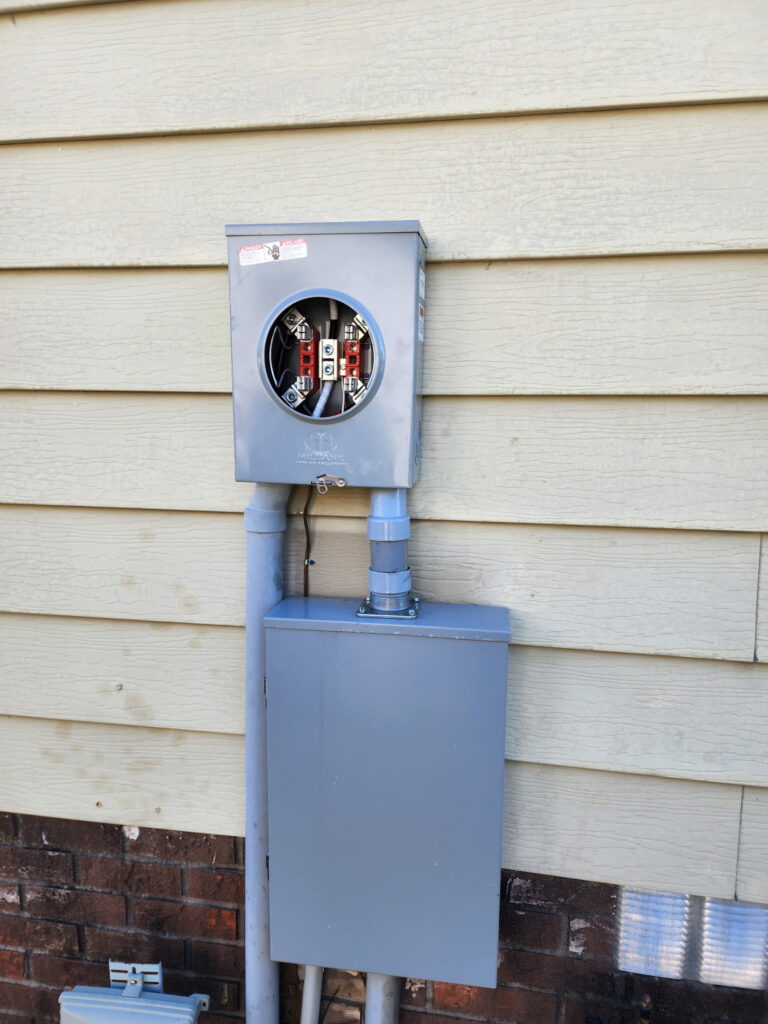
Panels and meter cans suffer some of the worst humidity damage of all. When water creeps into a panel, it rusts the breakers and corrodes the connections that feed every circuit in the house. A homeowner who opens a corroded panel to add a breaker faces live parts, hidden damage, and a real chance of arc flash. Arc flash releases intense heat and light in a fraction of a second and can cause severe burns. Older panels from certain brands are already known to fail, and corrosion only speeds that failure along. Adding a breaker by hand to a damaged panel is one of the riskiest projects a homeowner can attempt. This is work that belongs to a licensed electrician with the right tools and training, not a weekend DIY effort.
Permit and Code Problems Tied to DIY Electrical Work in Older Florida Homes
Electrical work in Florida almost always requires a permit and an inspection. These rules exist to confirm that the work meets the current National Electrical Code and local amendments. DIY electrical work skips this step far too often, which leaves the home with unverified and possibly unsafe wiring. When that work fails, the homeowner carries full responsibility for any damage or injury that follows. Insurance companies frequently deny claims when they trace a fire back to unpermitted electrical work. That single denial can cost a family far more than they ever saved by avoiding a professional. Permits protect the homeowner just as much as they protect future buyers.
Code violations from DIY work tend to surface at the worst possible time. A home inspection during a sale will flag improper wiring, missing grounds, and unpermitted panel changes. Buyers then demand repairs or walk away, and the seller scrambles to fix problems that were never recorded. Correcting hidden DIY work after the fact usually costs more than doing it right the first time. Some violations require opening finished walls, which means new drywall, paint, and added labor. Older Florida homes carry enough legitimate upgrade needs without adding self inflicted code problems on top. Doing the work correctly from the start saves money and stress down the road.
Modern code requirements protect against the exact dangers older homes already face. Ground fault protection guards wet areas, and arc fault protection guards living spaces against the kind of sparking that starts fires. Proper wire sizing keeps circuits from overheating under heavy summer air conditioning loads. Correct grounding gives every fault a safe path away from people and appliances. A licensed electrician knows these rules and applies them to each unique older home. DIY work that ignores code removes these protections and hands the risk straight back to the family living there. If you are unsure about the condition of your wiring, our licensed team can review it; click here for our electrical wiring service.
The Most Common DIY Electrical Mistakes in Older Florida Homes
Some DIY mistakes show up again and again inside older Florida homes. They share a common theme, which is too much load placed on systems that were never designed for modern demand. A house wired in the 1970s never planned for today’s air conditioning, electric vehicles, and stacks of electronics. When a homeowner forces new devices onto old circuits, the weakest link gives out first. The mistakes below cause the most damage and the most danger across the region. Knowing them helps you understand why professional work matters so much.
Overloaded Circuits Are a Common DIY Electrical Mistake in Older Homes
Overloading a circuit is one of the easiest mistakes to make and one of the most dangerous. Older homes were built with fewer circuits because households used far less power decades ago. A single circuit that once handled a lamp and a radio now feeds a window unit, a television, and several chargers. When the load on a wire exceeds its rated capacity, the wire heats up inside the wall. That heat can melt insulation, scorch wood framing, and eventually ignite a fire. DIY workers often respond to a tripping breaker by installing a larger breaker instead of fixing the real problem. This is one of the deadliest shortcuts in home electrical work.
A breaker exists to protect the wire, not the appliance plugged into it. When someone swaps a 15 amp breaker for a 20 amp breaker on wiring rated for 15 amps, the wire can now overheat without ever tripping. The breaker happily allows more current than the wire can safely carry. This setup removes the only safety device standing between normal use and a fire. Older Florida homes already run their air conditioning hard for most of the year, which pushes circuits near their limits daily. Adding more load on top of an oversized breaker creates a constant fire risk that hides in plain sight. The right fix involves adding properly sized circuits, not defeating the protection that exists.
Extension cords and power strips often mask an overloaded circuit problem. Homeowners reach for them when there are not enough outlets, which is common in older construction. A power strip does not add capacity to a circuit; it only adds more places to plug things in. Running a space heater or window unit through a light duty cord can overheat the cord itself. Daisy chaining one strip into another multiplies the danger and violates basic safety rules. The real solution is more outlets and more dedicated circuits installed by a professional. A licensed electrician can add the capacity an older home needs to run modern life safely.

Improper Grounding Is a Dangerous DIY Electrical Mistake in Older Homes
Grounding gives electricity a safe path to follow when something goes wrong. Many older Florida homes were built before grounding became a universal requirement. Without a proper ground, a fault inside an appliance can energize its metal case. A person who touches that case becomes the path to ground, which leads to a serious or fatal shock. DIY workers frequently misunderstand grounding and connect wires to the wrong points. A ground tied to a water pipe that has been partly replaced with plastic offers no real protection. Correct grounding requires knowledge of the whole system, not a guess at a single connection.
The three prong outlet trick is the most common grounding mistake of all. A homeowner sees an old two prong outlet and replaces it with a three prong version to fit modern plugs. The new outlet looks safe, but the ground slot connects to nothing at all. Every device plugged in believes it has protection that does not exist. Surge protectors fail to work correctly without a real ground behind them, which leaves sensitive electronics exposed. In a lightning prone area like Central Florida, that missing ground can cost a homeowner thousands in damaged equipment. A licensed electrician can install a proper ground or the correct protected outlet for the situation.
Bonding and grounding at the panel cause their own set of DIY errors. Neutral and ground connections must be handled in specific ways depending on the type of panel and its location. Mixing these up creates current on paths that were never meant to carry it. That stray current can energize metal parts throughout the home and trip protective devices at random. A subpanel wired with the neutral and ground bonded together is a common and dangerous error. The fix requires understanding code rules that most homeowners have never seen. Grounding is not the place to learn by trial and error, since the cost of a mistake can be a life. If your panel needs attention, our experts are ready to help; click here for our electrical panel upgrade service.
Faulty Outlet and Panel Work Tops the List of DIY Electrical Mistakes
Outlet work looks simple, which is exactly why so many DIY projects go wrong here. The most common error is the backstab connection, where the wire pushes into a small hole on the back of the outlet. These connections loosen over time and create heat, especially under the heavy loads found in older homes. A loose outlet connection can arc, melt, and char the wall around it. Professionals instead wrap wires around the screw terminals, which hold far more securely. Many homeowners also reverse the hot and neutral wires, which leaves devices energized even when switched off. A small wiring error at an outlet can create a shock or fire hazard that lasts for years.
Panel work is the most dangerous DIY electrical task of all. The main lugs inside a panel stay energized even when the main breaker is switched off. A homeowner reaching into that space risks contact with live parts carrying enough current to kill instantly. Arc flash inside a panel can cause severe burns and permanent injury in a fraction of a second. Older Florida panels often suffer from corrosion, crowding, and outdated breakers that complicate any work inside. Adding a circuit, moving a breaker, or replacing a bus requires training that a video cannot provide. This is the clearest example of work that should always go to a licensed electrician.
Certain older panel brands deserve special attention in any Florida home. Federal Pacific and Zinsco panels have a long documented history of breakers that fail to trip during an overload. A breaker that does not trip allows a dangerous fault to continue, which can lead to fire. DIY work inside one of these panels adds risk on top of a unit that is already unsafe. Replacing a known hazard panel is a job for a professional who can size and install a safe modern unit. Homeowners often have no idea their panel sits on a recall worthy list until an electrician points it out. A proper inspection identifies these panels and recommends the right path forward.
Why You Need a Licensed Electrician for Older Florida Homes
Older Florida homes deserve care from someone trained to read their hidden risks. A licensed electrician brings the tools, testing equipment, and code knowledge that DIY work simply cannot match. The money saved on a do it yourself project disappears the moment a fault causes a fire or a failed inspection. Professional work protects your family, your home, and your investment for years to come. Empowered Electric serves Clermont and the surrounding communities with that level of care every day.
A Professional Electrical Inspection Protects Older Florida Homes
A professional electrical inspection is the smartest first step for any older Florida home. An electrician checks the panel, the wiring, the outlets, and the grounding to find hidden dangers. Problems like aluminum wiring, corroded connections, and ungrounded circuits come to light during this review. The inspection gives you a clear picture of what is safe and what needs attention. You learn which repairs are urgent and which can wait, so you can plan your budget. Knowledge like this turns a worrying unknown into a manageable plan.
Inspections matter even more before a home sale or a major renovation. A clean electrical report helps a sale move forward without last minute surprises. Catching code issues early lets you fix them on your own timeline instead of under pressure from a buyer. An inspection before adding an air conditioner, a pool, or an electric vehicle charger confirms the system can handle the new load. Skipping this step often leads to overloaded circuits and repeat service calls. A small upfront cost prevents far larger expenses later.
Regular inspections also catch the slow damage that Florida weather causes. Humidity, salt air, and lightning wear on a system year after year without obvious signs. An electrician spots corrosion and surge damage before they grow into a failure. Catching these issues early keeps your home safe through every storm season. The peace of mind that comes from a verified safe system is hard to put a price on. Our team is ready to take a close look at your home whenever you need it.
Safe Electrical Repairs and Upgrades for Older Florida Homes
Safe electrical repairs restore an older home to a condition you can trust. A licensed electrician replaces failing wiring, corroded connections, and outdated outlets the right way. Each repair follows code and earns the permit and inspection that protect you. Proper repairs remove the hidden hazards that DIY shortcuts tend to leave behind. The result is a system that runs cooler, safer, and more reliably under daily use. You gain confidence that your home will not surprise you with a sudden failure.
Upgrades prepare an older home for the demands of modern living. A panel upgrade adds the capacity needed for air conditioning, electric vehicles, and growing electronics. New dedicated circuits keep heavy appliances from overloading shared wiring. Whole house surge protection guards electronics against the lightning that strikes Central Florida so often. Each upgrade addresses a specific risk that older homes carry by default. Done together, these improvements bring an aging system fully into the present.
Emergencies call for fast and skilled help that DIY work cannot provide. A burning smell, a sparking outlet, or a sudden loss of power signals a serious problem. Trying to diagnose a live fault alone puts a homeowner in real danger. A licensed electrician arrives with the training to find and fix the issue safely. Quick professional action can stop a small fault from becoming a house fire. Help is available around the clock for the moments that cannot wait.
Why Choose Empowered Electric for Older Florida Homes
Empowered Electric brings experience and honesty to every older Florida home we serve. Our electricians are licensed and insured, so you work with professionals you can trust. We treat each home with the care it deserves, from the first inspection to the final test. Our team knows the wiring quirks that come with older Clermont area properties. We explain what we find in plain language, never in confusing technical talk. You always know what we are doing and why before any work begins.
Transparent pricing sits at the heart of how we operate. You receive a clear and honest quote before we start any work, with no surprise charges at the end. We use the best materials and proven techniques on every job, large or small. Our emergency service runs around the clock because electrical problems do not keep business hours. When you call, you reach a team that takes your safety seriously. That commitment has earned the trust of homeowners across the region.
Choosing the right electrician protects your family and your home for decades. Empowered Electric stands behind every repair, upgrade, and inspection we complete. We help older Florida homes run safely through storm season, summer heat, and everyday life. Skip the hidden dangers of DIY electrical work and let a trusted professional handle it. Reach out to our friendly team today and put your home in capable hands. Call Empowered Electric at (352) 814-0058 to schedule your service.