

Why Your Breaker Keeps Tripping and What It Is Actually Trying to Tell You
When a breaker trips, it can feel like a random inconvenience, but it is doing exactly what it was designed to do. A circuit breaker is a safety device that cuts power the moment a circuit pulls more current than its wiring can safely carry. That sudden loss of power in one room or across part of your home is not a malfunction; it is a warning. Here in Clermont and across Lake County, summer pushes home electrical systems harder than any other time of year, and a breaker that trips again and again is often the first sign that something deeper needs attention. Some causes are simple, like one too many appliances sharing a single outlet during a hot afternoon. Other causes point to damaged wiring, a failing breaker, or a panel that can no longer keep up with the demand of a modern household. Understanding the difference matters because one situation is a quick fix and the other can create a real fire risk. This guide breaks down what your breaker is trying to tell you, why it happens more often in a Florida summer, and when it is time to call a licensed electrician.
What a Tripping Breaker Is Actually Telling You About Your Home
A breaker is not punishing you when it trips; it is protecting the wires hidden inside your walls from overheating. Every circuit in your home is rated for a specific amount of current, usually 15 or 20 amps for standard rooms and 30 to 50 amps for large appliances. The breaker constantly watches that flow of electricity, and the instant the current climbs past the safe limit, it shuts the circuit down. There are three main conditions that make this happen, and each one tells a different story about the health of your electrical system. Learning to read those signals helps you know when a reset is enough and when you have a problem that will only get worse. The sections below explain each cause in plain terms so you can spot the warning signs early.
How an Overloaded Circuit Causes a Breaker to Keep Tripping
An overload is the most common reason a breaker trips, and it happens when too many devices draw power from the same circuit at once. Picture a single 15 amp circuit feeding a bedroom, and now imagine a space heater, a hair dryer, and a window unit all running together. The combined current sails past what the wiring can handle, the breaker heats up internally, and it snaps off to stop the wires from melting. Inside most breakers sits a small bimetallic strip that bends as it warms; when the load stays too high for too long, that strip bends far enough to break the connection. This is a thermal response, so an overloaded circuit often runs fine for a few minutes before it finally gives out. You will usually notice it tripping at predictable times, like when you start a second high power appliance. Moving some of those devices to a different circuit usually solves a simple overload. If the same circuit keeps failing even with a light load, the problem has moved past a basic overload and points to wiring or a worn breaker.
Overloads tend to cluster in older homes where the number of outlets has not kept pace with the number of gadgets families use today. Kitchens are a frequent trouble spot because countertop appliances pull heavy current in short bursts. A microwave, a toaster, and a coffee maker on one kitchen circuit can easily push past 20 amps the moment they overlap. Garages and home offices follow close behind, especially now that many households run power tools, freezers, and full computer setups in spaces that were wired decades ago. The fix sometimes looks as simple as unplugging a device, but a pattern of repeated trips signals that your home needs more dedicated circuits. A dedicated circuit gives a high demand appliance its own protected line straight back to the panel. Adding capacity the right way keeps your breakers from carrying loads they were never sized to handle.
If you keep resetting the same breaker every day, do not treat it as normal. Each trip is the system telling you the circuit is asked to do more than it safely can. Continuing to reset it without addressing the cause forces the wiring to run near its limit again and again. Over time, that repeated heating loosens connections and degrades insulation inside the walls. The safer move is to map out what runs on that circuit and reduce the load, then bring in a professional to add capacity. Need a high demand appliance moved to its own line? Click here for our dedicated circuit installation service. Solving the root cause once is far cheaper than living with a circuit that fights you every day.
How a Short Circuit Makes Your Breaker Keep Tripping
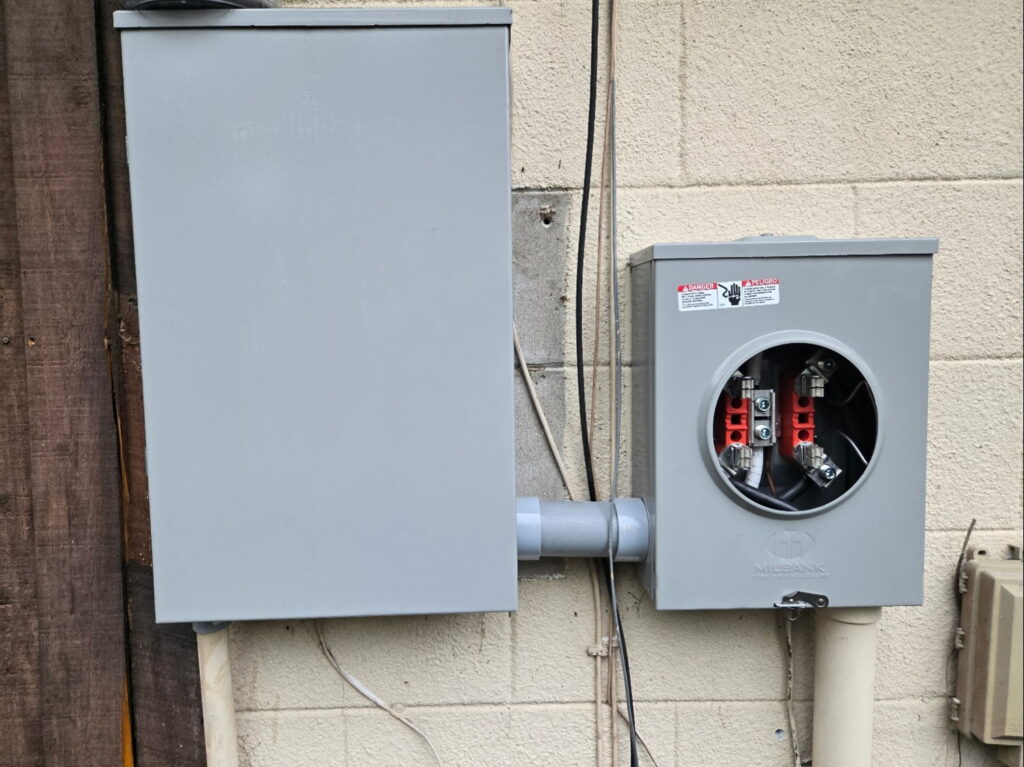
A short circuit is a more serious event than a simple overload, and it usually trips a breaker the instant power flows. It happens when a hot wire makes direct contact with a neutral wire, which lets current rush through with almost no resistance to slow it down. That surge can spike to many times the normal level in a fraction of a second, so the breaker uses a magnetic mechanism to shut it off immediately. Unlike a thermal overload that takes time to build, a short circuit trips fast and hard the moment the connection is made. You might notice a sharp pop, a burning smell, or a small scorch mark near an outlet or switch. Damaged appliance cords, chewed wiring, and failed insulation are common sources. A loose wire touching the side of a metal junction box can also create the same dangerous contact.
The danger with a short circuit is the heat it produces in the split second before the breaker reacts. That heat can scorch insulation, blacken outlets, and in the worst cases start a fire inside a wall where you cannot see it. Because of this, a short circuit is never something to ignore or repeatedly reset. If a breaker trips the instant you reset it, with nothing plugged in, you are very likely dealing with a short somewhere in the fixed wiring. Tracking down the exact point of contact takes proper testing tools and trade knowledge, since the fault can hide behind walls or inside a fixture. Guesswork here is risky, both for your safety and for the equipment you might damage trying to diagnose it yourself. This is a situation that calls for a licensed electrician rather than a do it yourself reset.
You can sometimes narrow down a short by unplugging every device on the affected circuit and resetting the breaker once. If it holds with everything unplugged, the fault likely lives in one of your appliances or its cord. If it trips again with nothing connected, the problem sits in the home wiring itself and needs professional repair. Either way, do not keep flipping the breaker back on; each attempt sends another surge through compromised wiring. Burning smells, warm cover plates, and visible scorching all mean you should stop and call for help right away. Smelling something burning near your panel or outlets? Click here for our emergency electrician service. Fast action on a short circuit protects both your home and your family.
How a Ground Fault Triggers a Breaker That Keeps Tripping
A ground fault is a close cousin of the short circuit, but the current takes a different unintended path. It occurs when a hot wire touches a grounded surface, like a metal box, a grounded appliance frame, or even a person standing on a wet floor. Because moisture conducts electricity so well, ground faults show up most often in bathrooms, kitchens, garages, and outdoor outlets. Florida homes face this risk constantly thanks to humidity, sprinklers, pool decks, and our long rainy season. To guard against it, modern code requires Ground Fault Circuit Interrupter protection, which you know as the GFCI outlets with the test and reset buttons. A GFCI device watches the balance of current flowing out on the hot wire and back on the neutral. The instant it senses even a tiny imbalance, as small as a few milliamps, it cuts power to stop a shock before it can harm anyone.
When a GFCI breaker or outlet keeps tripping, it is reacting to current leaking somewhere it should not go. Sometimes the cause is harmless, like condensation inside an outdoor box after a storm. Other times it signals real damage, such as water that has worked its way into wiring or an appliance with a failing internal component. Outdoor outlets near pools, patios, and boat docks are especially prone to this kind of moisture intrusion in our climate. A pool pump motor that is starting to fail will often trip its GFCI protection as the windings break down. The protection is doing its job, but the repeated tripping is your cue that something is letting current escape. Ignoring it leaves you exposed to a shock hazard around water, which is exactly where shocks turn deadly.
Diagnosing a ground fault means isolating the leak, and that takes patience and the right equipment. An electrician will test each section of the circuit, check the GFCI device itself, and inspect any wiring exposed to weather. Sometimes the GFCI unit has simply worn out and trips on its own, since these devices have a limited service life. Other times the fault traces back to a damaged cable buried outdoors or a corroded connection in a wet location. Replacing a tired GFCI is quick, but chasing a hidden leak through outdoor wiring is detailed work best left to a trained pro. The goal is always the same: stop the current from escaping while keeping the life saving protection fully intact. A ground fault that keeps tripping is a safety system working hard to keep you out of harm’s way.
Common Reasons Your Breaker Keeps Tripping in a Florida Summer
Summer in Central Florida puts more strain on home wiring than any other season, and breakers feel it first. The heat outside drives your cooling system to run nearly nonstop, and that steady, heavy draw leaves little headroom on your panel. Add pool equipment, outdoor kitchens, and the daily storms that roll through Clermont, and the conditions for nuisance tripping line up perfectly. A breaker that behaved all winter can suddenly start tripping once the temperatures climb into the nineties. The reasons usually trace back to load, moisture, and the age of your electrical system. The sections below cover the summer specific triggers we see most often in homes across Lake and Orange counties.
Why Summer Air Conditioning Load Makes Your Breaker Keep Tripping
Air conditioning is the single largest electrical load in most Florida homes during summer, and it punishes a weak circuit. When the outdoor compressor starts, it pulls a brief surge of current several times higher than its running level. A healthy circuit absorbs that startup spike without complaint, but a marginal or aging circuit can trip right at the moment of startup. If your breaker trips every time the cooling system kicks on during the hottest part of the day, the startup surge is a prime suspect. Dirty coils, a failing capacitor, or a tired compressor motor all make that surge worse by forcing the system to work harder. The longer the equipment runs in extreme heat, the more current it draws, which stacks the odds toward a thermal trip. This is why so many cooling related electrical calls land during the peak summer weeks.
The wiring feeding your cooling system also matters more than people expect. A large central unit needs a properly sized circuit and breaker matched to the equipment’s requirements. If a previous owner or a hurried installer used an undersized breaker or wire, it will trip under the steady summer load even though the equipment itself is fine. Loose connections at the disconnect or inside the panel add resistance, and resistance creates heat that nudges a breaker toward tripping. Heat is the enemy of every electrical connection, and Florida supplies plenty of it. A connection that was snug in March can loosen slightly by July as components expand and contract through daily heat cycles. These small failures build quietly until the circuit can no longer carry its load without giving out.
Before assuming the worst, it helps to rule out the simple things first. Replace or clean your air filter, since a clogged filter forces the system to run longer and draw more power. Make sure nothing is blocking the outdoor unit and that the coils are reasonably clean. If the breaker still trips after those basics, the issue lives in the electrical side and needs a closer look. An electrician can measure the actual current draw, check the breaker size against the equipment specs, and tighten or repair any loose connections. They can also confirm the wire gauge matches the load so the circuit runs cool and stable. Catching a struggling cooling circuit early keeps you comfortable through the worst of the summer heat.

Why Pool Pumps and Outdoor Equipment Make Your Breaker Keep Tripping
Pools are everywhere in Clermont, and pool equipment is a frequent source of summer breaker trips. A pool pump motor runs for hours every day in peak season, drawing steady current the whole time. As that motor ages, its internal windings can degrade and begin leaking current to ground, which trips the GFCI protection that pool circuits require. Water and electricity sit inches apart at every pool, so the code mandated protection is strict and quick to react. A pump that trips its breaker more and more often is usually telling you the motor is on its way out. Salt systems, heaters, and automatic cleaners add their own loads and their own points of failure. Each piece of equipment lives outdoors, exposed to sun, rain, and humidity that wear connections down faster than indoor wiring.
Outdoor outlets, landscape lighting, and equipment near water all share the same vulnerability to moisture. Our afternoon storms drive rain into boxes and fixtures that were not sealed correctly, and that intruding water creates the leakage path a GFCI is built to catch. A single cracked outlet cover or a loose weatherproof gasket can let in enough moisture to trip a circuit after every rain. Boat dock wiring faces an even harsher environment, with constant humidity and the corrosive effect of being near the water all day. Connections corrode, insulation breaks down, and the protective devices trip more frequently as the season wears on. None of this means the protection is faulty; it means the protection is doing its job against real conditions.
Keeping outdoor electrical equipment healthy in summer takes a bit of routine attention. Inspect outlet covers, replace cracked gaskets, and make sure every outdoor box is properly sealed against rain. If a pool pump trips repeatedly, have the motor tested before it fails completely in the middle of a hot weekend. An electrician can check the insulation resistance of the motor windings and the integrity of the supply wiring. They can also verify that bonding and grounding around the pool meet current safety standards, which is critical near water. Want safe, reliable power around your pool? Click here for our pool electrical installation service. Proactive care keeps your outdoor circuits stable through the rainy season.
Why an Aging Panel Makes Your Breaker Keep Tripping
Sometimes the breaker that keeps tripping is the problem rather than the wiring behind it. Breakers are mechanical devices, and like any mechanical part, they wear out with age and repeated use. A breaker that has tripped thousands of times over the years can grow weak and begin tripping at lower currents than its rating. The internal spring fatigues, the contacts pit, and the device loses its calibration over decades of service. In that worn state, a breaker may trip under a normal load that it once handled with ease. Older panels in homes built in past decades are especially likely to house breakers near the end of their life. Replacing a single tired breaker is straightforward, but a panel full of aging breakers points to a larger issue.
The panel itself can also reach the limit of what it was designed to do. Homes built thirty or forty years ago were wired for a fraction of the electrical load a modern family uses. Back then there were no electric vehicle chargers, no banks of computers, and far fewer large appliances pulling current at once. A 100 amp panel that served a small household in 1985 can struggle to feed today’s demand. When a panel runs at or near capacity, breakers trip more often simply because the system has no room to spare. Some older panels also use designs that are now known to be unreliable or unsafe by current standards. A panel from certain discontinued brands can fail to trip when it should, which is even more dangerous than nuisance tripping.
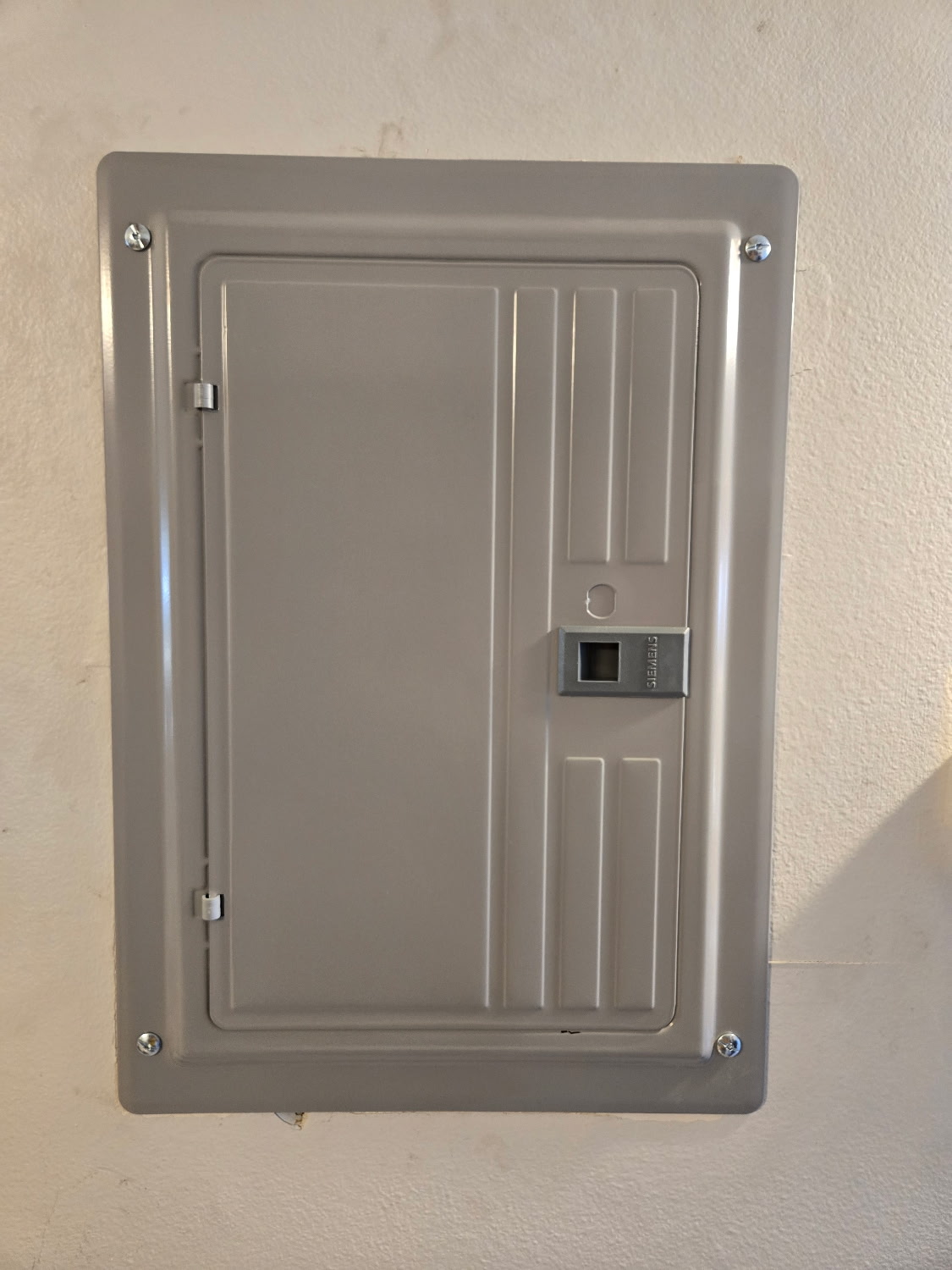
Recognizing an aging panel takes a trained eye, since the warning signs are easy to overlook. Frequent trips across multiple circuits, warm spots on the panel cover, a buzzing sound, or a faint burning odor all point to trouble. Rust, corrosion, and scorch marks inside the panel are clear red flags that the system needs attention. An electrician can assess the panel’s condition, check its capacity against your household’s needs, and recommend the right path forward. In many cases, upgrading the panel solves a long list of recurring problems in one project. A modern panel restores the safety margin your home lost as your electrical needs grew. Thinking about more capacity for your home? Click here for our electrical panel upgrade service.
Why You Need a Licensed Electrician When Your Breaker Keeps Tripping
A breaker that keeps tripping is a problem you can investigate a little, but rarely one you should fully repair yourself. The line between a harmless overload and a hidden fire hazard is thin, and telling them apart takes training and the right instruments. A licensed electrician brings the testing tools, the code knowledge, and the safety practices that turn guesswork into a real diagnosis. Working inside a live panel carries serious shock and arc flash risk that homeowners should never take on. Calling a professional protects your home, your family, and your wallet from the cost of a mistake. The sections below explain how expert repair solves the problem for good and why families across Clermont trust Empowered Electric.
Why Professional Repair Stops a Breaker From Tripping for Good
A professional repair starts with finding the true cause instead of treating the symptom. An electrician traces the affected circuit, measures the actual current draw, and tests for shorts and ground faults with proper equipment. That methodical approach pinpoints exactly where the fault lives, even when it hides behind a wall or inside a fixture. Once the root cause is clear, the repair targets the real problem rather than masking it with another reset. This is the difference between flipping a breaker back on and actually fixing the circuit. A correct repair means the breaker holds because the underlying issue is gone.
Doing the work to code is the other half of a lasting repair. Electrical code exists to keep people safe, and a licensed electrician knows the current requirements inside and out. They size breakers and wire correctly, secure every connection, and verify that protective devices function as designed. They also document what they find so you understand the health of your system. That attention to detail prevents the same problem from creeping back a few months later. Cutting corners on electrical work often costs far more down the road than doing it right the first time.
There is also real peace of mind in knowing a trained expert checked your wiring. A breaker that keeps tripping can rob you of sleep if you worry it might be a fire risk. A professional inspection either confirms the issue is minor or catches a hazard before it becomes a disaster. Either outcome is worth far more than the cost of the visit. You stop guessing, stop resetting, and start living in a home you trust. Need a thorough look at a stubborn circuit? Click here for our electric repair service.
When a Panel Upgrade Stops Your Breaker From Tripping
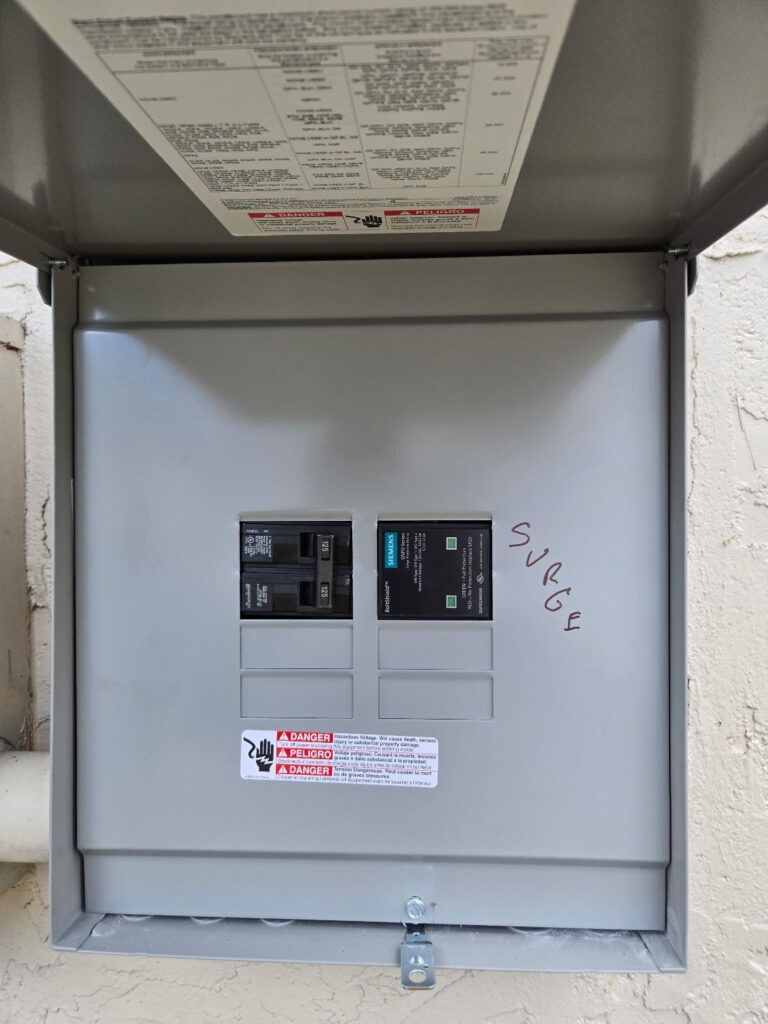
Sometimes the only real fix for a breaker that keeps tripping is more capacity. When a panel runs at its limit, no single repair will keep the breakers from tripping under heavy summer load. A panel upgrade replaces the old equipment with a modern, properly sized panel built for today’s electrical demand. That extra headroom lets your air conditioning, pool, and everyday appliances run together without overwhelming the system. It also clears out aging breakers and any outdated components that no longer meet safety standards. The result is a home that handles its full load with room to spare.
A panel upgrade is also the foundation for almost any future electrical project. Adding an electric vehicle charger, a backup generator, or a new addition all depend on having enough capacity to feed them. Trying to add big loads to an already strained panel only makes the tripping worse. Upgrading first gives every new circuit a stable, well sized source of power. It is an investment that pays off every time you add to your home in the years ahead. Planning around your real needs now saves you from redoing the work later.
The safety benefits of a modern panel reach beyond just stopping nuisance trips. New panels include current breaker technology that responds faster and more reliably to faults. Many upgrades add arc fault and ground fault protection in the areas code now requires. That added protection guards your family against shocks and electrical fires in ways an old panel cannot. A properly installed upgrade also tidies up the wiring and connections that age into trouble spots. The whole system becomes safer, more reliable, and ready for whatever your home needs next.
Why Choose Empowered Electric When Your Breaker Keeps Tripping
Empowered Electric brings experienced, licensed electricians you can trust to every job in Clermont and the surrounding communities. We diagnose the real reason your breaker keeps tripping instead of handing you a quick reset and a hope it holds. Our team uses the best materials and proven techniques, so the repairs we make last through Florida’s toughest summers. We are licensed and insured, which means your home and your family are protected from start to finish. Honesty guides everything we do, and that shows up in how we explain the problem and the fix in plain language. When we leave, you understand what was wrong and what we did about it.
Transparent pricing is a promise we keep on every visit, not a slogan we hang on the wall. You get a clear, honest quote before we start any work, so there are no surprises when the job is done. We respect your time and your budget, and we recommend only the work your home truly needs. Electrical issues do not wait for a convenient hour, and neither do we, which is why we offer 24/7 emergency service. A breaker that trips at midnight with a burning smell is exactly the kind of call we answer fast. Our priority is keeping your home safe and your power flowing, day or night.
Families across Clermont, Winter Garden, Minneola, Groveland, and the rest of Lake and Orange counties count on us for dependable electrical work. We treat your home with the same care we would want for our own, and we stand behind every job we do. From a single stubborn breaker to a full panel upgrade, we have the experience to handle it right. Stop resetting that breaker and let a trusted local electrician find the real answer. Call Empowered Electric today at (352) 814-0058 to schedule your service and put a tripping breaker behind you for good. We are ready to help you keep your home safe, cool, and powered all summer long.