

How Dedicated Circuits Protect Your Refrigerator and Other Major Appliances
Your refrigerator runs every hour of every day, and it pulls a surprising amount of power to keep your food cold and safe. When that appliance shares a circuit with nearby outlets, lights, or small devices, the combined load can quickly cause problems for the entire household. A dedicated circuit gives one appliance its own wire run and its own breaker straight from the electrical panel, with nothing else connected to it. This setup stops other devices from competing for power and keeps the voltage steady for the appliance that needs it most. During a hot Florida summer, your refrigerator and freezer work much harder than usual to push back against the outdoor heat, which raises their energy demand. A weak, shared, or overloaded circuit can lead to tripped breakers, spoiled food, premature appliance failure, and even a higher fire risk. Knowing how dedicated circuits work helps you protect the major appliances you depend on every single day. This guide breaks down the real benefits, the warning signs to watch for, and the reasons to call a licensed electrician before a small problem turns into an expensive one.
What Is a Dedicated Circuit and How It Protects Major Appliances
A dedicated circuit is a single branch circuit that powers only one appliance or one outlet, with its own breaker in the panel and its own conductors. Most major appliances draw heavy current, especially when their motors or heating elements first switch on, and that surge can overwhelm a shared line. The National Electrical Code calls for dedicated circuits on many large appliances, including electric ranges, ovens, dryers, water heaters, dishwashers, and garbage disposals. Refrigerators are strongly recommended to sit on their own circuit as well, and many local jurisdictions require it for new construction. When an appliance has a circuit all to itself, it gets clean, consistent power without interference from hair dryers, vacuums, or phone chargers plugged in elsewhere. The result is a longer appliance life, fewer nuisance trips, and a safer home overall.
How a Dedicated Circuit Protects Your Refrigerator From Power Problems
Your refrigerator contains a compressor motor that cycles on and off many times throughout the day to maintain a safe internal temperature. Each time that compressor starts, it draws an inrush current that can be several times higher than its normal running current. On a shared circuit, that sudden spike can sag the voltage and disturb every other device on the line, including sensitive electronics. A dedicated circuit absorbs that startup surge without affecting anything else in the home, because nothing else is sharing the wire. This steady supply of power keeps the compressor cool and efficient, which directly extends the working life of the unit. Steady voltage also protects the control boards and sensors that modern refrigerators rely on to run correctly. Over a span of years, that protection can save you the cost of an early refrigerator replacement.
Voltage drop is one of the biggest hidden threats to any motor driven appliance, and your refrigerator is no exception. When too many devices share a circuit, the available voltage at the refrigerator outlet falls below the level the motor needs to run smoothly. A motor that runs on low voltage draws extra current to make up the difference, and that extra current generates heat inside the windings. Heat is the enemy of every electric motor, and repeated overheating slowly breaks down the insulation until the motor fails. A dedicated circuit removes that risk by giving the refrigerator the full voltage it was designed to receive. With proper voltage, the compressor reaches operating speed faster and shuts off sooner, which lowers your energy use. Cleaner power and lower heat add up to a quieter, more reliable refrigerator in your kitchen.
Food safety is another reason a dedicated refrigerator circuit matters more than many homeowners realize. If a shared breaker trips while you are away at work or asleep, your refrigerator can lose power for hours without anyone noticing. Warm temperatures in Central Florida speed up spoilage, and a full refrigerator of lost groceries adds up fast. A dedicated circuit greatly reduces the chance of a surprise trip, because no competing device can push the breaker past its limit. That reliability brings real peace of mind, especially for families who stock up on meat, dairy, and frozen goods. It also matters for anyone who stores medication that must stay cold, such as insulin. A simple wiring upgrade quietly guards both your grocery budget and your health.
How a Dedicated Circuit Protects Major Appliances From Overloads
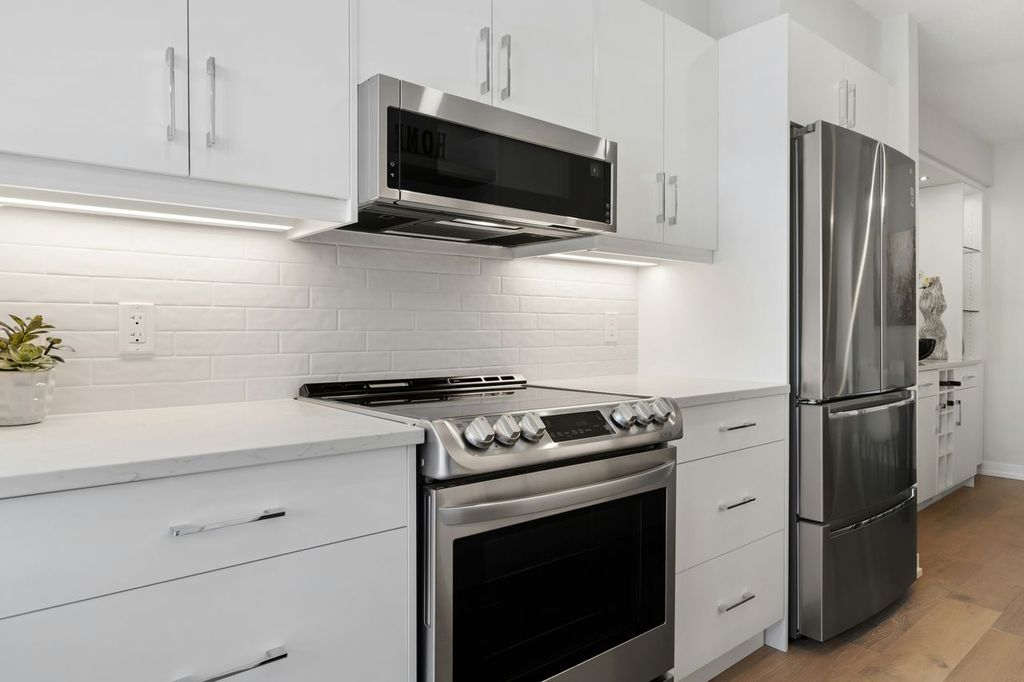
An electrical overload happens when the current flowing through a circuit climbs higher than the wire and breaker can safely handle. Major appliances such as ovens, dryers, and water heaters draw enough power on their own to occupy most of a circuit’s capacity. Adding more devices to those same circuits pushes the total load past the safe threshold, and that constant strain wears out the breaker over time. A dedicated circuit eliminates the problem by matching one appliance to one correctly sized breaker and wire. With the load isolated, the breaker only ever sees the current from the appliance it was designed to serve. This keeps the system operating well within its limits, even when the appliance runs at full power for a long stretch. The outcome is a calmer, cooler electrical system that handles heavy demand without complaint.
Overloaded circuits do more than trip breakers; they generate heat inside walls where you cannot see it. When current exceeds the safe rating of a conductor, the wire heats up, and that heat can degrade the insulation around it. Damaged insulation is one of the leading causes of electrical fires in older homes, and it often develops slowly over many years. A dedicated circuit prevents this slow buildup by keeping current at safe levels for the wire gauge installed. Each appliance gets the proper conductor size, the proper breaker, and a clear path back to the panel. That careful matching is exactly what the electrical code is designed to enforce. Removing chronic overloads from your home is one of the most effective ways to lower fire risk.
Shared circuits also cause frustrating performance issues that many people blame on the appliance itself. A microwave that loses power when the toaster runs, or a dryer that struggles to heat, is often a symptom of an overloaded shared line. These appliances were engineered to receive a full, uninterrupted supply of power for proper operation. When they have to compete with other devices, they underperform and wear out faster than they should. A dedicated circuit restores full function by giving each appliance the steady current it expects. You stop guessing which combination of devices will trip the breaker next. Instead, every major appliance simply works the way it was built to work, day after day.
How a Dedicated Circuit Protects Appliance Motors and Wiring
Many major appliances rely on motors, including refrigerators, freezers, dishwashers, garbage disposals, and well pumps. Motors are especially sensitive to voltage quality, because low or unstable voltage forces them to draw more current and run hotter. A dedicated circuit delivers the clean, stable voltage these motors need to start quickly and run efficiently. When a motor starts under proper voltage, it spends less time at high inrush current and reaches full speed sooner. That smooth startup reduces wear on the motor bearings and windings, which adds years to the appliance. It also lowers the audible hum and vibration that come from a motor straining against poor power. Protecting the motor is the same as protecting the entire appliance, since the motor is often the most expensive part to replace.
The wiring inside your walls benefits just as much as the appliance does from a dedicated setup. Conductors are rated to carry a specific amount of current safely, and exceeding that rating shortens their service life. On a shared circuit, the combined load can push the wire near its limit during peak usage, raising the temperature of the cable. A dedicated circuit keeps each wire run well within its safe carrying capacity, even under continuous appliance use. This protects the cable insulation, the wire connections, and the terminals at the outlet and breaker. Cooler wiring lasts decades longer and is far less likely to fail or arc. In effect, the dedicated circuit safeguards both the appliance and the infrastructure that feeds it.
Connections and outlets are common failure points, and heavy appliances put real stress on them over time. A loose or worn connection on a high draw circuit can create resistance, and resistance produces heat at that exact spot. Over months and years, that localized heating can scorch an outlet, melt insulation, or start an arc fault. A dedicated circuit reduces this danger by limiting the number of connection points on the line and by using a properly rated outlet for the appliance. Fewer connections mean fewer places for problems to develop. A licensed electrician will also use the correct receptacle and torque every connection to specification. These small details make a large difference in long term safety and reliability. If you are planning a kitchen upgrade or adding a large appliance, you can schedule a dedicated circuit installation here to get the wiring done right the first time.
Signs Your Refrigerator and Major Appliances Need a Dedicated Circuit
Most homes show clear warning signs long before an electrical problem becomes dangerous, and learning to read those signs can save you money and stress. Older houses in particular were often wired for a fraction of the appliances we use today, so shared circuits are common. When a refrigerator, freezer, or other major appliance lacks its own circuit, the symptoms tend to appear during heavy use. Tripped breakers, flickering lights, warm outlets, and underperforming appliances are all signals worth taking seriously. None of these problems fix themselves, and ignoring them usually leads to a larger repair later. A quick inspection by a licensed electrician can confirm exactly what is happening behind your walls. Catching these issues early is one of the smartest moves a homeowner can make.
Tripped Breakers That Signal Your Appliances Need a Dedicated Circuit
A breaker that trips repeatedly is one of the most obvious signs that a circuit is carrying more than it should. Breakers are safety devices, and they shut off power on purpose when the current climbs too high for the wire to handle. If your refrigerator kicks off every time the microwave or toaster runs, the shared circuit is overloaded. Many homeowners respond by simply resetting the breaker, but that habit treats the symptom and ignores the cause. Repeated tripping wears out the breaker mechanism over time, which can leave it unable to protect the circuit when it matters most. A dedicated circuit solves the root problem by removing the competing loads entirely. Once the appliance has its own breaker, nuisance trips usually disappear for good.
It is important to understand that a tripping breaker is doing its job, not malfunctioning. The trip is a clear message that the load on that circuit exceeds its safe rating. Some people try to fix the issue by installing a larger breaker, which is a serious and dangerous mistake. A breaker must match the wire it protects, because the wire can only carry so much current before it overheats. Putting a bigger breaker on an undersized wire removes the safety margin and creates a real fire hazard. The correct solution is to reduce the load or add a dedicated circuit with properly sized wire. A licensed electrician can determine which option fits your panel and your home.
Frequent trips on appliance circuits also point to deeper questions about your overall electrical capacity. An older panel may simply lack enough open breaker slots or amperage to support modern appliance demand. In that case, adding a dedicated circuit may need to go hand in hand with a panel evaluation. Florida homes with original wiring from decades past often reach this point as families add new appliances and electronics. The good news is that the fix is straightforward when handled by a professional. If your breakers trip often, you may benefit from an electrical panel upgrade along with the new dedicated circuits. Addressing both at once gives your home reliable power for years to come.
Flickering Lights That Signal Your Appliances Need a Dedicated Circuit
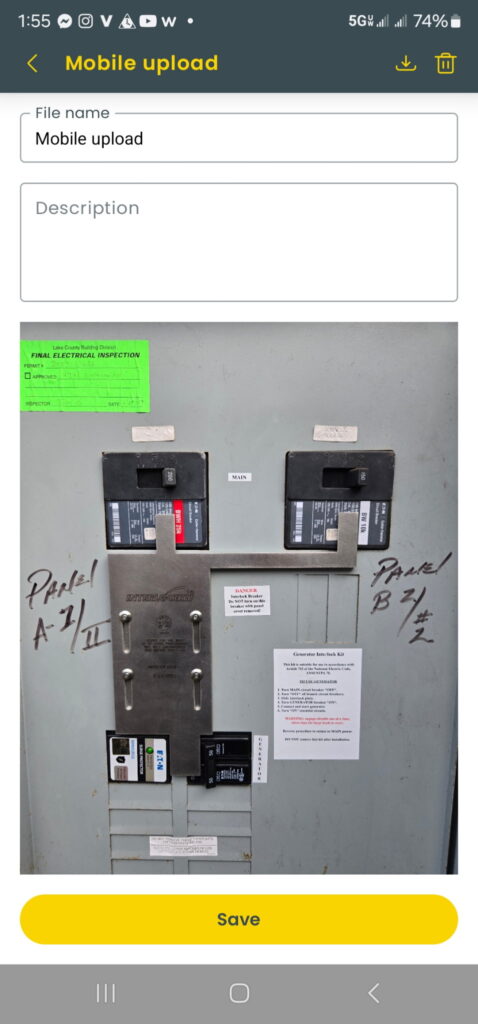
Lights that dim or flicker when an appliance turns on are a classic symptom of voltage drop on a shared circuit. When a refrigerator compressor or other motor starts, it briefly pulls a large amount of current from the line. If the lights are on that same circuit, the sudden draw lowers the voltage available to them, and you see a quick dim or flicker. Occasional, very brief flickers can be normal, but frequent or strong dimming points to an overloaded or undersized circuit. This pattern tells you the appliance and the lights are fighting over the same limited supply of power. A dedicated circuit for the appliance ends that competition and steadies your lighting. Once the motor has its own line, the lights stay bright and constant.
Persistent flickering should never be brushed aside as a harmless quirk of an older home. In some cases, dimming lights are a warning of a loose connection somewhere in the circuit. Loose connections create resistance, generate heat, and can lead to arcing inside a junction box or outlet. That hidden heat is a genuine fire hazard that grows worse the longer it goes unaddressed. A trained electrician can tell the difference between a simple overload and a more dangerous wiring fault. Diagnosing the true cause requires testing the circuit under load with proper equipment. This is one area where guessing is not worth the risk to your home and family.
Flickering across multiple rooms or fixtures can signal a problem larger than a single circuit. Issues at the main panel, the service connection, or even the utility supply can cause widespread dimming. Saltwater air and frequent summer storms in Central Florida can also stress outdoor connections and corrode terminals over time. When flickering is paired with warm panels, buzzing sounds, or a burning smell, the situation calls for immediate attention. A thorough inspection identifies the source and separates appliance loads onto their own circuits where needed. If you notice these signs, you can book an electrical inspection here to find the cause before it grows. Acting early keeps your lights steady and your home protected.
Warm Outlets and Strain That Signal Your Appliances Need a Dedicated Circuit
An outlet or wall plate that feels warm to the touch is a serious warning that something is wrong with the circuit. Outlets are designed to stay at room temperature, even when an appliance is plugged in and running. Warmth means resistance is building somewhere in the connection, and resistance produces heat that should not be there. On a shared circuit, the extra load from multiple devices increases current and raises the temperature at the weakest point. A dedicated circuit reduces this strain by limiting the outlet to a single appliance with a properly rated connection. If you ever feel a warm outlet, you should stop using it and call an electrician promptly. This symptom is one of the clearest signals that a circuit is being pushed past its safe limit.
A burning smell, scorch marks, or discoloration around an outlet are emergencies that demand immediate action. These signs mean the heat has already begun to damage the receptacle or the wiring behind it. Continuing to use that outlet risks an arc fault or an electrical fire inside the wall. The safest response is to shut off the breaker for that circuit and contact a licensed electrician right away. Major appliances are common culprits, because their heavy draw concentrates current at the connection point. A dedicated circuit with the correct outlet greatly lowers the chance of this kind of damage. When the warning signs appear, treat them as the genuine hazards they are.
Appliances that seem to underperform are quietly telling you the same story about strained circuits. A dryer that takes too long, an oven that struggles to reach temperature, or a disposal that bogs down can all reflect inadequate power delivery. When an appliance cannot draw the current it needs, it works harder, runs hotter, and wears out sooner. This strain shortens the life of equipment you paid good money to install. A dedicated circuit gives each appliance the full, uninterrupted power it was engineered to use. Reliable power means better performance, lower energy waste, and a longer service life. If your appliances feel sluggish, the wiring behind them deserves a closer look from a professional.
Why You Need a Professional to Install a Dedicated Circuit for Your Appliances
Installing a dedicated circuit involves running new wire from the panel, adding a correctly sized breaker, and terminating everything to code. This work touches the heart of your home’s electrical system, and small mistakes can carry large consequences. A licensed electrician knows how to size the wire and breaker to the appliance, route the cable safely, and meet every requirement of the National Electrical Code. Doing this work yourself can void appliance warranties, fail an inspection, or create a hidden fire hazard. Empowered Electric brings the training, tools, and permits needed to complete the job correctly and safely. The investment in professional installation protects your appliances, your home, and your family for the long run. When power matters this much, experience is worth far more than a shortcut.
Why Code Compliance Matters When You Install a Dedicated Circuit
The National Electrical Code exists to keep people and property safe, and it sets clear rules for how circuits must be installed. These rules cover wire size, breaker rating, grounding, outlet type, and the specific appliances that require dedicated circuits. A licensed electrician installs every dedicated circuit to meet or exceed these standards. Code compliant work passes inspection, satisfies insurance requirements, and protects your home’s value. Skipping the code creates risks that may not show up until years later, often in the form of overheating or a failed connection. Following the rules is not red tape; it is the foundation of a safe home.
Permits and inspections are an essential part of professional electrical work, not an obstacle to avoid. A permit ensures that an independent inspector reviews the installation and confirms it meets local code. This extra layer of oversight protects you as the homeowner and gives you documentation of safe, legal work. Unpermitted electrical work can complicate a home sale and may not be covered by your insurance after a problem. Empowered Electric handles the permitting process so you do not have to navigate it alone. Knowing the work is inspected and approved brings real peace of mind. That protection is part of what you pay a professional to provide.
Local conditions in Central Florida add their own considerations to every electrical project. Frequent lightning, heavy summer storms, and humid coastal air all influence how circuits should be protected and installed. A local electrician understands these factors and builds them into the work from the start. Proper grounding, surge protection, and corrosion resistant connections all play a role in a lasting installation. Code compliance combined with regional knowledge produces a circuit that holds up to Florida weather. This is the difference between a quick fix and a lasting solution. Choosing a local professional means choosing someone who knows your environment.
Why Proper Sizing Matters When You Install a Dedicated Circuit
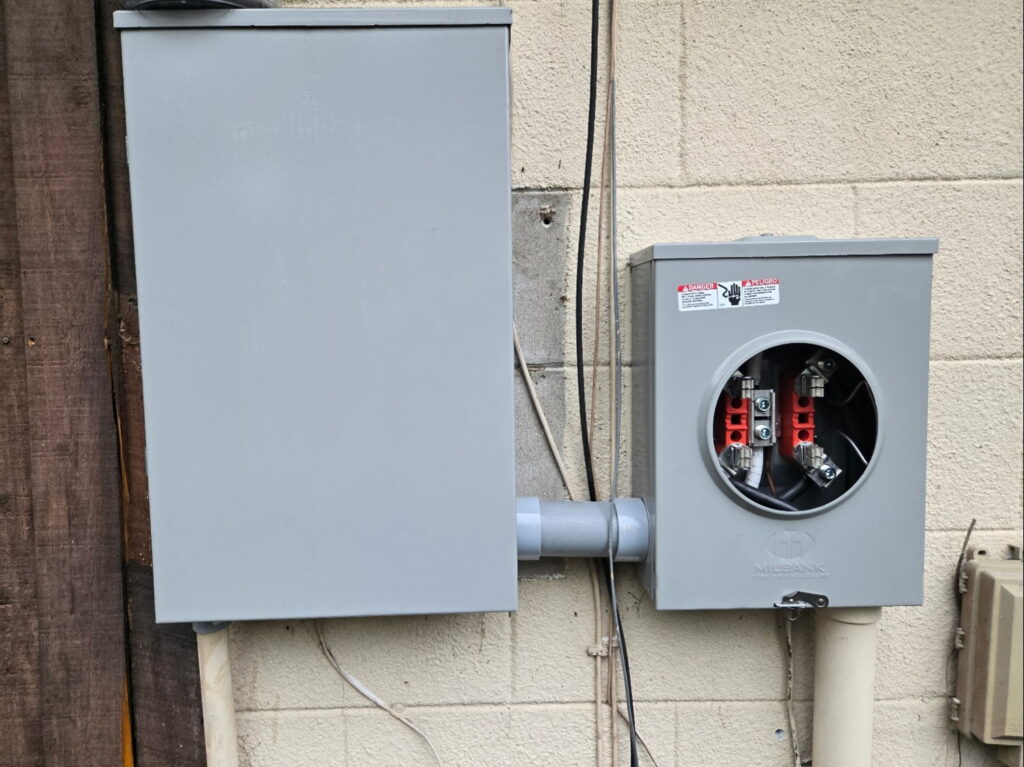
Sizing a dedicated circuit correctly is one of the most important parts of the entire installation. The wire gauge, the breaker rating, and the appliance load must all match so the system runs safely. A circuit that is too small will trip or overheat, while an oversized breaker on small wire removes the safety margin entirely. A licensed electrician calculates the appliance’s running and startup current and selects the right components for the job. This careful matching keeps current within safe limits even during heavy, continuous use. Proper sizing is the quiet detail that separates safe work from dangerous work.
Different appliances carry very different power requirements, and a one size approach simply does not work. A refrigerator may run well on a 15 or 20 amp circuit, while an electric dryer or range needs a 240 volt circuit with much heavier wire. A professional knows these differences and applies the correct standard to each appliance. Guessing at the size, or copying an existing circuit, can leave an appliance underpowered or a wire overloaded. The right size delivers full performance and full safety at the same time. This expertise is exactly what a trained electrician brings to the table.
Future needs also factor into smart circuit planning and panel capacity. An electrician will check whether your panel has the space and amperage to support new dedicated circuits without overloading the service. If the panel is already near its limit, an upgrade may be the wise path before adding more circuits. Planning ahead avoids the cost of redoing work when you add another appliance later. Empowered Electric looks at your whole system, not just the single circuit in front of you. That broader view protects your investment and prepares your home for the future. If you are unsure about your panel’s capacity, our circuit breaker installation service can help you plan the right solution.
Why Choose Empowered Electric for Your Dedicated Circuit Installation
Empowered Electric is a licensed and insured electrical company serving Clermont and the surrounding Central Florida communities. Our experienced electricians install dedicated circuits to code, protecting your refrigerator and other major appliances from overloads and power problems. We believe in transparent pricing, so you receive a clear and honest quote before any work begins. We use quality materials and proven techniques on every job, because shortcuts have no place in electrical work. From the first phone call to the final inspection, our goal is safe, reliable power you can trust.
Our team takes pride in doing the job right and treating your home with respect from start to finish. We explain what your appliances need, why the work matters, and exactly what we will do before we begin. Electrical issues do not wait for convenient hours, which is why we offer 24/7 emergency service when problems strike. A warm outlet, a burning smell, or a breaker that will not reset deserves fast, professional attention. You can count on us to show up prepared and to stand behind our work. That commitment is the foundation of every project we take on.
Protecting your refrigerator, freezer, and major appliances starts with a single, well installed dedicated circuit. If you have noticed tripping breakers, flickering lights, or warm outlets, now is the time to act before a small issue becomes a costly one. Empowered Electric is ready to evaluate your wiring, recommend the right solution, and complete the work safely. Reach out today to schedule your dedicated circuit installation and give your appliances the steady power they need. Call us at (352) 814-0058 to speak with our team and book your appointment.