

How to Prepare Your Generator for Peak Hurricane Season
Hurricane season in Florida runs from June 1 through November 30, and the strongest storms usually arrive between August and October. A generator gives your home steady power when the grid goes down, but only if the unit is ready before the first warning hits the news. Many homeowners in Clermont wait until a storm is days away, then learn the hard way that their generator will not start or runs rough. Peak hurricane season puts heavy demand on every part of your home electrical system, so the work you do now pays off later. A generator that sat idle since last fall can hold stale fuel, a weak battery, and worn parts that fail under load. Testing and servicing the unit early gives you time to fix problems before supply stores run low on fuel, filters, and replacement components. This guide walks through the steps that keep your generator dependable through the busiest weeks of the season. By the end, you will know what to check, what to service, and when to call a licensed electrician for help.
Why Generator Preparation Matters Before Peak Hurricane Season
Preparation is the difference between a quiet, powered home and a dark, stressful week after a storm. Florida storms knock out power for days at a time, and utility crews often cannot reach every neighborhood right away. A generator that has been serviced and tested holds your refrigerator, lights, fans, and medical equipment running while the grid comes back online. Skipping preparation invites the most common failures at the worst possible moment, when stores are closed and parts are gone. Early generator preparation also keeps your family safer, because a rushed setup during a storm leads to dangerous shortcuts. The sections below explain why this work matters and what it protects.
Generator Preparation Protects Your Home During Hurricane Season
A storm outage does more than turn off the lights; it threatens the systems that keep your home livable and your belongings safe. When the power drops for several days, the food in your refrigerator and freezer spoils, and the loss adds up fast for a full household. Your sump pump, well pump, and septic systems stop, which can lead to flooding or backups during the heavy rain that comes with a hurricane. A prepared generator carries these critical loads without interruption, so your home stays dry, cool, and functional while neighbors scramble. Air conditioning matters in Florida heat, and a properly sized unit keeps indoor temperatures safe for children, seniors, and pets. Generator preparation also protects sensitive electronics from the dirty power that can come from a neglected machine. When the generator runs clean and steady, your appliances and devices see stable voltage instead of harmful swings. That stability is the whole point of owning a backup system in the first place.
Generator preparation also guards the structure of your home during the long outages that peak hurricane season brings. Stale fuel, low oil, and clogged filters force a generator to labor, and a laboring unit produces inconsistent power that stresses motors and compressors. Over a multi-day outage, those stresses shorten the life of your HVAC system, your refrigerator, and other expensive equipment. A serviced generator runs at the right speed and delivers clean output, which keeps every connected motor turning smoothly. Preparation includes confirming that your transfer switch isolates the home from the utility line, a step that protects your wiring from feedback surges when power returns. It also includes checking that your grounding is correct, since a poorly grounded generator can damage anything plugged into it. These measures keep the storm from turning a power outage into a repair bill. The cost of preparation is small next to the cost of replacing a flooded basement or a burned-out compressor.
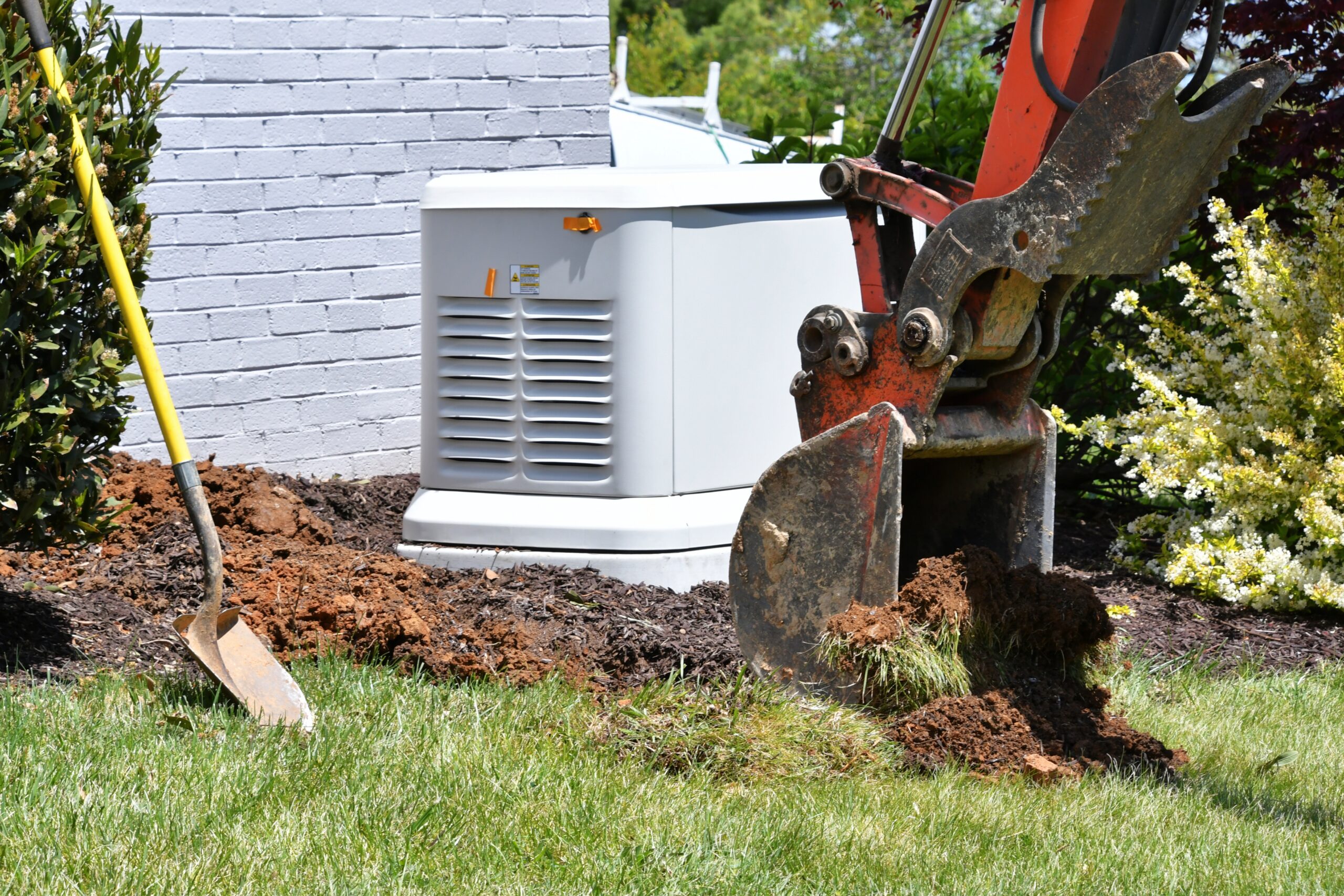
A prepared generator gives your household something that is hard to measure but easy to feel during a storm: peace of mind. When you know the unit will start on the first try, you spend the storm focused on your family instead of fighting with a machine in the rain. Children sleep better with the fans running, and anyone who relies on powered medical equipment stays safe through the night. You can charge phones, keep a radio on for weather updates, and run the well pump for clean water. That sense of control matters most during peak hurricane season, when storms can stall over Central Florida for days. Preparation turns a frightening event into a manageable one, because the hardest decisions are already made. If you do not yet own a backup system, now is the time to plan one. Need a reliable backup power source for your home? Click here for our generator installation service.

Generator Preparation Reduces Safety Risks in Hurricane Season
The most serious danger tied to backup power is carbon monoxide, an odorless gas that portable generators produce while they run. Every year, people are harmed or killed because a generator ran inside a garage, a shed, or too close to an open window. A prepared generator setup always places a portable unit outdoors, at least twenty feet from the home, with the exhaust pointed away from doors, windows, and vents. Working carbon monoxide detectors inside the home add a second layer of protection, and their batteries should be fresh before the season peaks. Rain and standing water create another hazard, since water and electricity make a deadly combination when handled carelessly. Your generator should sit on a dry, elevated surface under a vented cover built for the job, never under a tarp that traps heat and fumes. Preparation means sorting out these placement details now, while the weather is calm and you can think clearly. A rushed setup during a storm is exactly when these safety rules get broken.
Backfeeding is a quiet but severe risk that proper generator preparation removes entirely. Backfeeding happens when someone connects a generator to the home through a regular outlet, sending power backward into the utility lines. That current can travel down the lines and electrocute the utility workers trying to restore service in your area. It can also surge back into your home with deadly force when the grid suddenly returns. The safe solution is a transfer switch, which is a permanently installed device that disconnects your home from the utility before the generator takes over. A licensed electrician installs the switch to code and confirms it isolates the home correctly under load. This single piece of equipment is the legal and safe way to power a home with a generator. Checking that your transfer switch works properly is a core part of preparing for peak hurricane season.
Electrical cords and connections create their own set of risks that preparation addresses well before the first storm. Undersized or damaged cords overheat, melt, and start fires, especially when they carry heavy loads over a long outage. Each cord you plan to use should be rated for outdoor use and matched to the wattage it will carry, with no cracks, cuts, or exposed wire. Connections should stay off the ground and out of puddles, and any cord run through a doorway needs protection from pinching. A prepared homeowner inspects every cord, plug, and connection in daylight, sets aside anything questionable, and replaces it early. Overloading the generator is another hazard, because a unit pushed past its rating overheats and can fail or catch fire. Knowing your load limits keeps the machine inside a safe range throughout the storm. If you are unsure about your setup, a professional safety review removes the guesswork. Want a licensed electrician to check your home before storm season? Click here for our electrical inspection service.
Generator Preparation Saves Money When Hurricane Season Arrives
Early generator preparation is far cheaper than the emergency repairs and replacements that come from neglect. A simple oil change, a fresh battery, and a clean filter cost very little compared to a rebuilt engine or a new control board. When a generator fails during a storm, the repair happens at the worst time, when parts are scarce and service calls are booked solid. Stale fuel alone can gum up a carburetor and force a costly cleaning, and ethanol in gasoline makes this problem worse over a few months. Preparing the unit before peak hurricane season lets you catch these issues during a calm window with full shelves and open shops. The money you spend on routine service is small and predictable, while the money you spend on emergency fixes is large and stressful. Treating preparation as a yearly habit keeps your total ownership cost low. A well-kept generator simply lasts longer and breaks down less.
Preparation also saves money by protecting everything the generator powers during a long outage. Spoiled food from a dead refrigerator adds up quickly across a full household, and a multi-day outage can empty a freezer. Water damage from a stalled sump pump can ruin floors, walls, and stored belongings, with repair costs that climb into the thousands. A generator that runs clean and steady prevents these losses by keeping critical systems online from the first hour of the outage. Stable power also shields your electronics and appliances from the voltage swings that destroy circuit boards and compressors. Pairing your generator with whole home surge protection adds another shield against the surges that follow a storm. These layers of protection cost a fraction of the items they defend. Smart preparation is really an investment that pays you back the moment a storm rolls through.
Preparation lowers your long-term costs by extending the working life of the generator itself. Engines that run on fresh oil and clean fuel wear slowly, while engines starved of maintenance wear out in a fraction of the time. A battery that is tested and replaced on schedule never leaves you with a unit that cranks but will not start. Regular exercise cycles keep internal parts lubricated and seals in good shape, so the machine is ready the day you need it. A standby generator with an automatic transfer switch can self test on a weekly schedule, but it still needs annual professional service to stay reliable. Catching a small problem during a service visit prevents it from growing into a major failure during a storm. Each year of careful preparation pushes back the day you have to buy a replacement. Over the life of the machine, that adds up to real savings for your household.
Generator Maintenance Steps to Complete Before Peak Hurricane Season
Good preparation comes down to a clear checklist that covers fuel, oil, the electrical connection, and protection from surges. Each item targets a common failure point, and skipping one leaves a weak link that can fail under storm load. Portable units and standby units share many of the same needs, though standby systems add the transfer switch and the fuel supply to the list. The steps below move from the engine outward, starting with what the generator burns and ending with how it ties into your home. Work through them now, while parts are available and the weather lets you test the unit safely. A few hours of effort this month buys you weeks of reliable power later.
Generator Maintenance Checks for Fuel and Oil Before Hurricane Season
Fuel is the first place a neglected generator fails, because gasoline breaks down over a few months and leaves gum and varnish behind. If your portable unit ran on gasoline last season and sat untouched, that old fuel needs to be drained and replaced before you trust the machine. Fresh gasoline treated with a quality fuel stabilizer stores far better and protects the carburetor from the deposits that block fuel flow. Ethanol blends absorb water and separate over time, so a stabilizer rated for ethanol fuel is worth using in Florida humidity. Stock enough fuel to run the generator through a multi-day outage, and store it in approved containers in a cool, dry, well-ventilated spot away from the home. Standby units running on natural gas or propane avoid the stale fuel problem, but a propane system still needs full tanks and a clear supply line checked before the season. Confirm your fuel plan now, because every store in the county sells out of gasoline the moment a storm enters the forecast. A solid fuel plan is the foundation of a dependable backup system.
Oil keeps the engine alive, and old or low oil is one of the fastest ways to destroy a generator during a long run. Check the oil level on a level surface, look at the color and clarity, and change both the oil and the oil filter if the unit is due or the oil looks dark and dirty. A generator running for days during an outage burns through far more oil than a quick test run, so start the season with a fresh fill and a spare quart on hand. Use the oil weight the manufacturer specifies, since the wrong viscosity makes the engine work harder and run hotter. Many newer generators have a low oil shutoff that stops the engine to prevent damage, and that feature can leave you in the dark if you ignore the oil. Inspect the air filter at the same time, because a clogged filter chokes the engine and cuts power output. Clean or replace the filter so the engine breathes freely under load. These engine basics take little time and prevent the failures that strand homeowners mid-storm.
A test run ties the fuel and oil checks together and proves the generator actually works before you depend on it. Start the unit, let it warm up, and run it under a real load for fifteen to thirty minutes to see how it behaves. Listen for rough idling, watch for smoke, and check that the output voltage stays steady on the gauge or meter. A unit that surges, stalls, or runs hot is telling you about a problem you can still fix in calm weather. For portable generators, plug in a few appliances during the test to confirm the unit handles the load you plan to run. For standby generators, the weekly self test exercises the engine, but a full annual service from a licensed electrician confirms the transfer switch, battery, and controls all work together. Schedule that service early, since electricians book up fast as the season peaks. A successful test run is the proof that all your preparation came together.
Generator Maintenance for the Transfer Switch and Electrical Panel
The transfer switch is the heart of a safe generator connection, and it deserves a careful check before peak hurricane season. This device disconnects your home from the utility line and then routes generator power into your circuits, which prevents the dangerous backfeeding that endangers utility crews. A manual transfer switch requires you to flip it by hand when the power drops, so confirm that it moves freely and seats firmly in each position. An automatic transfer switch senses the outage and starts a standby generator within seconds, and it should be tested under load to prove the handoff works. Look for corrosion, loose connections, and any signs of heat damage around the switch and its wiring. A switch that hesitates, sticks, or shows scorch marks needs a licensed electrician right away. This is not a place for guesswork, because the switch carries the full power of your home. A working transfer switch is what makes a generator both legal and safe to use.
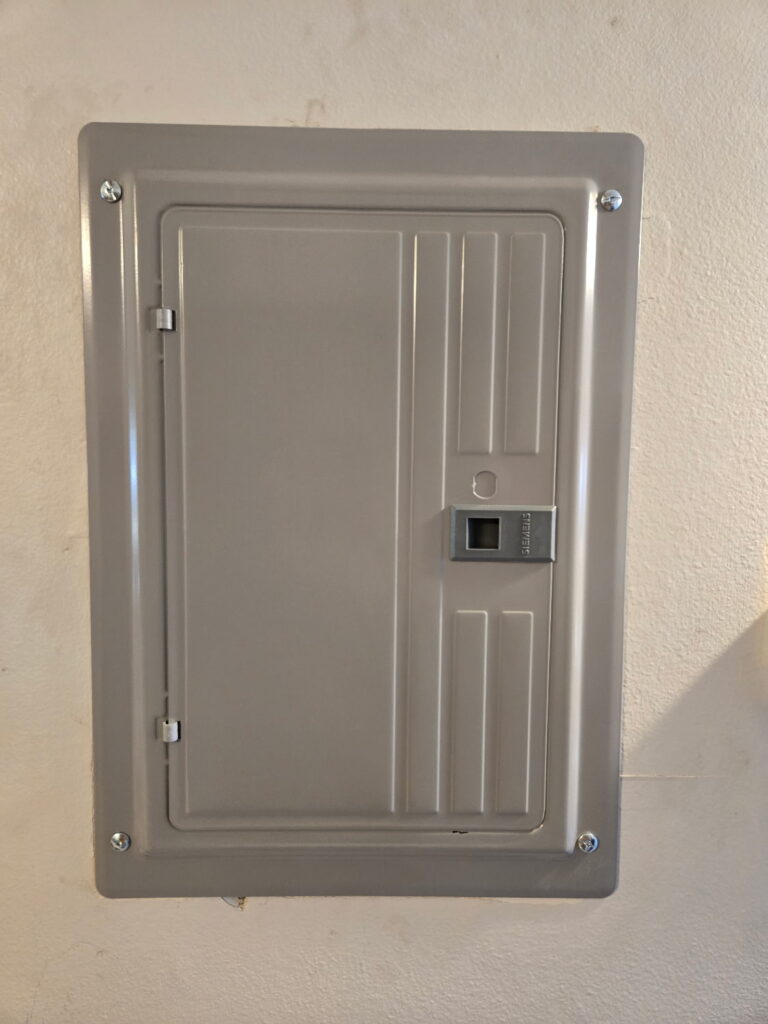
Your electrical panel works hand in hand with the transfer switch, and an aging or undersized panel can become a weak point during an outage. Older panels may lack the capacity to handle modern loads, and a storm outage is exactly when those loads stack up at once. Open the panel area, check for rust, scorch marks, and a burning smell, and confirm the breakers are properly labeled so you can manage loads during the storm. Tripping breakers, warm cover plates, and flickering lights all point to a panel that is struggling and may need attention. If your home has grown over the years with new appliances, an EV charger, or a pool, the panel may need an upgrade to keep up. A licensed electrician can evaluate the panel, size it correctly, and bring it to current code. Doing this work before the season removes a hidden risk from your backup power plan. A healthy panel lets the generator do its job without overloading your wiring.
Load management ties the switch and panel together into a system you can actually run during an outage. A generator only powers what it is sized to handle, so you need to know which circuits matter most and how much power they draw. List your essential loads, such as the refrigerator, well pump, a few lights, and any medical equipment, and add up their wattage to confirm the generator can carry them. Large loads like central air and electric water heaters draw heavy power, and trying to run everything at once trips the generator or overheats it. A properly designed transfer switch lets you select critical circuits, which keeps the generator inside a safe range. Planning this load map now means you are not doing math in the dark during a storm. If your essential loads exceed your current setup, an electrician can help you right-size both the generator and the switch. Knowing your numbers turns a stressful outage into a routine event. Need help connecting a generator to your home safely? Click here for our emergency electrician service.
Generator Maintenance and Surge Protection for Hurricane Season
Surges are a constant threat during hurricane season, and they strike both when the power fails and when it returns. Lightning, downed lines, and the sudden restoration of grid power all send damaging spikes through your wiring. A generator does not stop these surges by itself, so surge protection is a separate and essential layer of defense. Whole home surge protection installs at your electrical panel and clamps down on spikes before they reach your circuits and devices. This protects your air conditioner, refrigerator, electronics, and the generator controls from the voltage swings that follow a storm. Point of use surge strips add a second layer at sensitive devices like televisions and computers. Setting up this protection before the season means your home is shielded the moment the first storm rolls in. Surge protection is cheap compared to the equipment it saves.
The moment grid power returns after an outage is one of the most dangerous for your electronics, and preparation guards against it. When the utility restores service, the surge can spike well above normal voltage and fry anything that is plugged in and switched on. A working transfer switch keeps the generator isolated during this moment, but your standard household circuits still face the incoming surge. Whole home surge protection at the panel absorbs most of that energy and keeps it away from your appliances. After a major storm, it is smart to have an electrician inspect your surge devices, since they wear out after absorbing large hits. Replacing a spent surge protector is far cheaper than replacing the appliances it once guarded. Building this habit into your seasonal routine keeps the protection working year after year. A home that is protected on both ends of an outage rides out the storm with far less damage.
Grounding and bonding round out the protection side of generator maintenance, and both matter for safety and equipment life. A generator that is improperly grounded can deliver shocks and can damage the devices connected to it. Standby generators are grounded as part of a professional installation, but portable units require attention to grounding based on the manufacturer and the transfer switch design. A licensed electrician confirms the grounding meets code so the system trips correctly during a fault instead of sending current where it should not go. Bonding ties the metal parts of the system together so stray voltage has a safe path to clear. These details are easy to overlook and dangerous to ignore, especially in the wet conditions of a Florida storm. Having a professional verify grounding and bonding gives you confidence that the whole system is safe. Pairing a grounded generator with whole home surge protection creates a complete shield for your electrical system. Want to defend your home electronics from storm surges? Click here for our whole home surge protector service.
Why You Need a Professional Generator Inspection for Hurricane Season
A professional generator inspection ties every preparation step together and confirms the system works as one unit. A licensed electrician checks the engine, the fuel system, the battery, the transfer switch, the panel, and the grounding in a single visit. This kind of review catches the hidden problems that a quick home test can miss, like a switch that hesitates under load or a panel running near its limit. Peak hurricane season is the wrong time to discover a fault, so an inspection early in the season gives you time to fix anything that comes up. The work also keeps your installation legal and to code, which matters for both safety and insurance. A professional inspection is the surest way to know your home is truly ready.
A Professional Generator Inspection Keeps Your Home Powered
A professional generator inspection confirms that your backup system will actually carry your home through a storm. An electrician tests the unit under real load, not just at idle, which reveals problems that only appear when the generator works hard. They measure output voltage, check the transfer switch handoff, and confirm the engine holds a steady speed throughout the test. This level of testing is hard to replicate at home with a few plugged-in appliances. The inspection also confirms the generator is sized correctly for the loads you plan to run during an outage. Knowing the system performs under pressure means you can trust it when the grid finally fails.
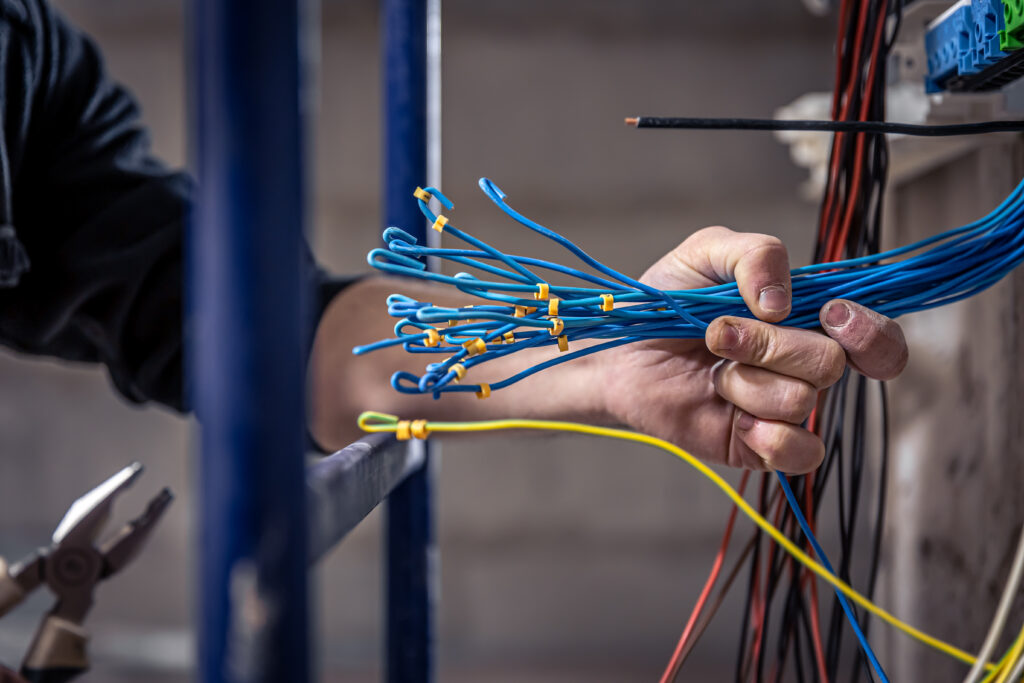
A professional inspection also verifies the connections and components that homeowners cannot easily reach or evaluate. The electrician examines wiring, terminals, and grounding for corrosion, heat damage, and loose connections that grow worse over time. They check the battery on a standby unit, since a weak battery is one of the most common reasons a generator fails to start. They confirm the fuel supply line and pressure on natural gas and propane systems, which keeps the engine fed during a long run. Each of these checks closes a gap that could otherwise leave you in the dark mid-storm. The result is a generator that starts on the first try and runs without surprises.
A professional inspection gives you a clear record of the condition of your system and a plan for anything that needs attention. The electrician explains what they found, recommends repairs by priority, and helps you decide what to handle now versus later. This guidance is valuable, because not every issue is urgent, and a clear plan keeps your spending focused. You walk away knowing exactly where your backup power stands before the busiest weeks of the season. That knowledge replaces worry with confidence when a storm enters the forecast. An inspection is a small step that delivers a large amount of certainty.
A Professional Generator Inspection Prevents Hurricane Season Failures
A professional generator inspection catches the failures that would otherwise strike at the worst possible moment. The most common breakdowns, such as stale fuel, a dead battery, or a stuck transfer switch, are easy to spot and fix during a calm-weather visit. Finding these problems in June leaves plenty of time to order parts and complete repairs before peak season arrives. Finding them during a storm leaves you stranded, because shops are closed and service calls are booked for days. An early inspection puts you ahead of the rush that hits every electrician once a storm threatens the coast. Prevention is always cheaper and calmer than an emergency.
A professional inspection also protects you from the safety failures that carry the highest stakes. An electrician confirms the transfer switch isolates your home so the generator never backfeeds power into the utility lines. They verify the grounding and bonding so the system trips correctly during a fault instead of energizing something it should not. They check exhaust routing and placement guidance so carbon monoxide stays away from living spaces. These safety checks protect your family and the utility crews working to restore power in your neighborhood. No home test matches the assurance of a trained professional confirming these details.
A professional inspection keeps your installation in line with code and the requirements that matter for insurance and resale. Electrical work tied to a generator must meet specific standards, and an electrician confirms your setup holds to them. This matters if you ever file a claim after a storm, since improper wiring can complicate coverage. It also matters when you sell the home, because a documented and code-compliant system adds value and avoids surprises during an inspection. Staying current with code is easier when a professional reviews the work each season. Compliance is one more reason an inspection earns its cost.
Why Choose Empowered Electric for Generator Inspection and Installation
Empowered Electric brings licensed, insured, and experienced electricians to every generator inspection and installation in the Clermont area. We serve homeowners across Lake and Orange counties, including Winter Garden, Windermere, Minneola, Groveland, and the surrounding communities. Our team understands Florida storms and what it takes to keep a home powered through a multi-day outage. We test your generator under real load, check the transfer switch and panel, and confirm your grounding and surge protection are ready for the season. You get clear, honest answers about the condition of your system and what it needs. Local knowledge and trade expertise make us a partner you can rely on before the first storm.
Transparent pricing is part of how we work, so you get a clear and honest quote before we start any job. We explain what we found, what we recommend, and what each step costs, with no surprises along the way. We use quality materials and proven techniques, because the work has to hold up under the demands of a real storm. Our electricians take the time to do the job right, and we stand behind the work we complete. That ethos guides every visit, from a quick inspection to a full standby generator installation. You deserve a backup power system that performs when it matters most.
When a storm does knock out power, our 24/7 emergency service means help is one call away. Electrical issues do not wait for business hours, and neither do we, so you are never left in the dark for long. Get your generator inspected and ready now, before peak hurricane season puts the whole county in line for service. Call Empowered Electric today at (352) 814-0058 to schedule your generator inspection or to plan a new installation. We are based at 341 Frontage Rd in Clermont, FL, and we are ready to help your home stay powered all season long. Reach out now and head into the season with confidence.